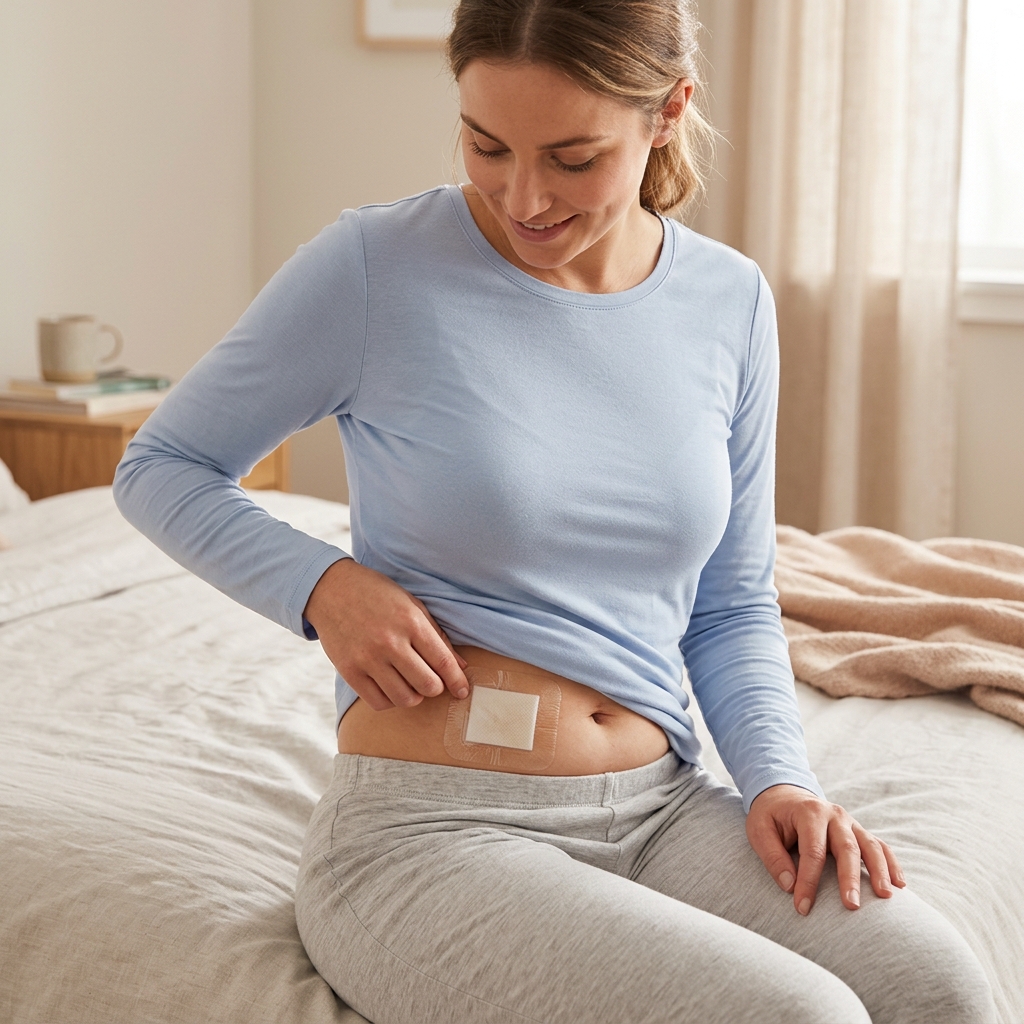
Everything you need to know about recovering from hernia surgery - from immediate post-op care to returning to normal activities.
Recovery varies based on the type of hernia repair performed. Here's a general timeline for laparoscopic and open hernia surgeries.
TEP, TAPP, eTEP Techniques
Traditional Surgical Approach
Proper wound care helps prevent infection and promotes healing. Follow these guidelines carefully after your hernia surgery.
Cover your incision when bathing. Avoid soaking in bathtubs, swimming pools, or hot tubs until fully healed.
Redness, warmth, swelling, increased pain, or drainage from the wound may indicate infection. Contact us immediately.
Your surgeon may provide specific wound dressings or recovery notes. Always follow them precisely for optimal results.
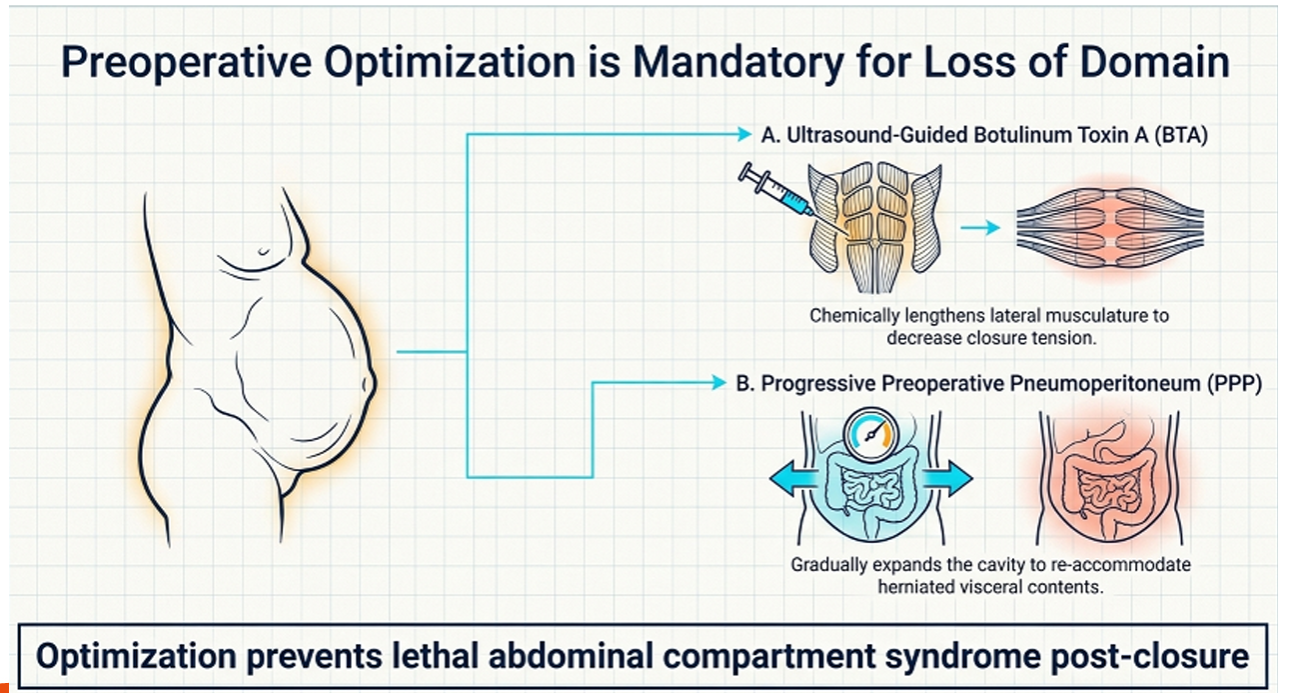
While returning to activity is important, respecting specific restrictions protects your surgical repair and prevents hernia recurrence.
These are general boundaries. Your physical health, age, muscle tone, and the surgical technique used (open vs. laparoscopic/robotic) will determine your exact restrictions. Always check in with Dr. Kumar's team before escalating physical efforts.
Regular follow-up visits ensure your recovery is progressing correctly and allow us to monitor your long-term success.
Wound inspection, removal of sutures if needed, and expert assessment of initial healing progress.
Evaluation of muscle mobility, structured activity progression planning, and addressing any ongoing concerns.
Final physical healing confirmation, long-term outcome assessment, and tailored lifestyle guidance.
Don't wait for your scheduled appointment if you have concerns. Contact our clinic immediately if you experience unusual symptoms or require immediate medical consultation.
While surgical complications are exceptionally rare, being aware of key signs ensures you can reach out for guidance at the right moment.
24/7 Safety Support
Continuous clinical monitoring
If you display severe pain, unmanageable vomiting, or absolute inability to pass gas, seek emergency medical care immediately.
Call Clinic HotlineMaximizing your comfort and acceleration of recovery relies heavily on everyday habits. Use these tailored, clinically validated suggestions.
Sleep is when your body undergoes natural repair. Aim for 7-9 hours of peaceful sleep and rest immediately when feeling tired.
Drink at least 2.5 to 3 liters of water daily to support cell rebuilding and prevent post-operative bowel strain.
Focus heavily on lean proteins (to repair tissues) and leafy greens/high-fiber elements (to prevent constipation).
Short, flat walks encourage deep circulation, speed recovery times, and dramatically reduce the risk of deep vein thrombosis.
Nicotine causes severe blood vessel constriction, starving healing tissues of critical oxygen and raising complications.
Holistic Wellness
Natural healing and muscle support
You can typically take a shower 48 hours after surgery. Gently pat the incision area dry with a clean towel; do not rub the wound or submerge in baths, pools, or hot tubs until your surgeon confirms complete closure.
Dr. Kumar's team is here to support you throughout your recovery journey. Don't hesitate to reach out with any concerns.
+91 89255 02759
Tap to call