Consult the best hernia surgeon in chennai for advanced hernia treatment . Dr. Kumar provides modern surgical methodologies, pre-operative guidelines, and structured recovery paths for optimal patient outcomes.
As a leading hernia specialist in chennai, Dr. Kumar offers customized procedures for different types of abdominal wall defects, ensuring safe and effective outcomes.
Groin Hernia
Occurs in the groin area. It is the most common hernia type and requires surgical repair to prevent bowel entrapment or strangulation.
Navel Hernia
Develops at or near the belly button. Often treated with minimally invasive keyhole procedures with or without mesh depending on the size of the defect.
Surgical Scar
Forms at the site of previous surgery incisions due to muscle wall failure. These require specialized abdominal wall reconstruction techniques.
Abdominal Wall
Develops anywhere along the midline of the abdominal wall. Often treated laparoscopically to ensure minimal postoperative pain and lower recurrence rate.
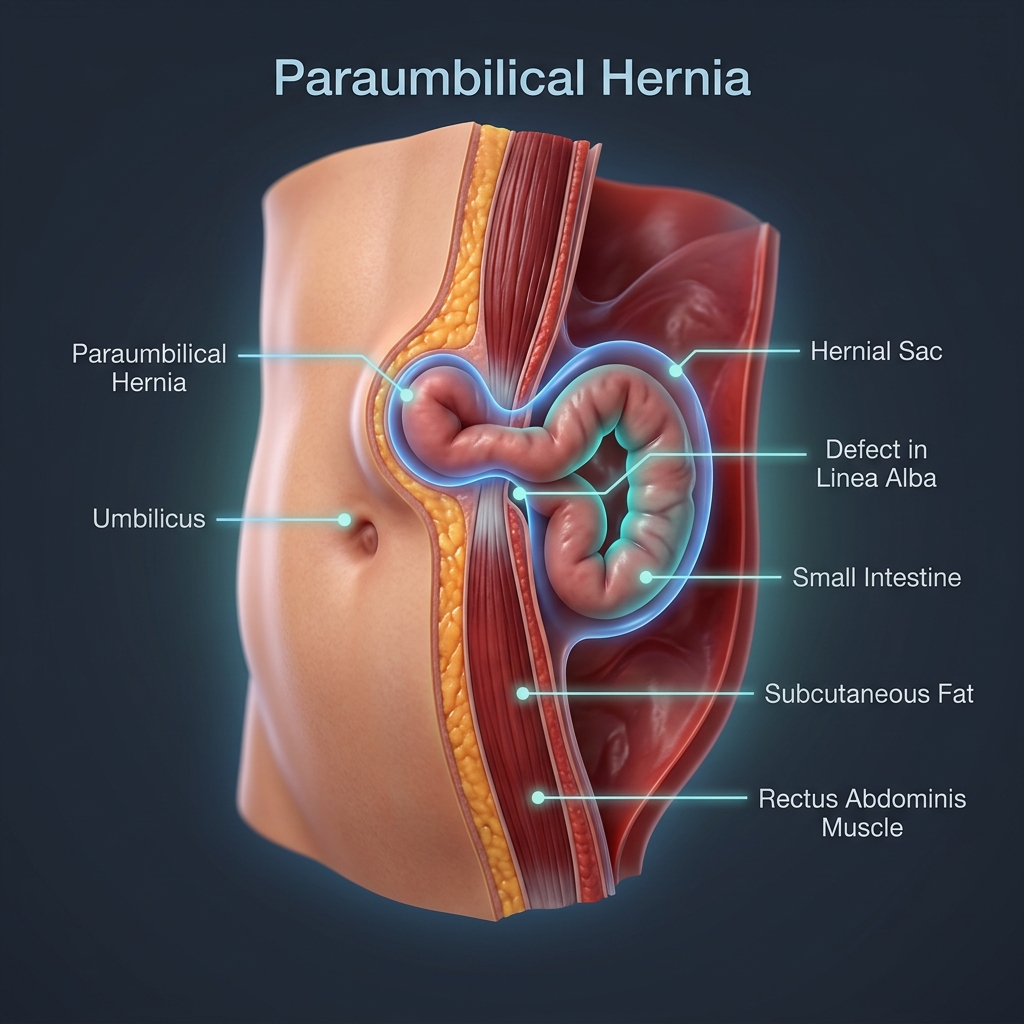
Belly Button Area
Occurs just above or below the umbilicus, often in adults under physical stress. Daycare surgical repair is highly effective and allows same-day discharge.
Femoral Hernia
Occurs just below the groin crease in the upper thigh. Far more common in women, it carries a high risk of strangulation and requires prompt repair.
Modern hernia surgery in chennai utilizes advanced minimally invasive and open approaches. As an expert hernia doctor , Dr. Kumar will recommend the most appropriate procedure tailored to your clinical needs and medical history.
An innovative, keyhole technique utilizing small incisions (0.5 to 1 cm) where a miniature camera guides the surgeon. Micro-instruments or robotic arms place the medical mesh behind the defect with extreme accuracy, avoiding muscle cutting and reducing surgical trauma.
| Feature | Open Surgery | Laparoscopic / Robotic |
|---|---|---|
| Incision Size | 3 to 6 inches (single incision) | 3 keyholes (0.5 to 1 cm each) |
| Hospital Stay | 1-3 days typically | Often same-day discharge (daycare) |
| Pain Level | Moderate to significant | Minimal to mild |
| Recovery Time | 3-6 weeks | 1-3 weeks |
| Best Suited For | Extremely large, complicated, or obstructed hernias | Primary ventral, groin, bilateral repairs |
Not all hernias warrant emergency surgery, but because hernias cannot heal on their own, surgical repair is the only definitive cure. Dr. Kumar determines the timing of intervention based on clinical severity.
Surgery is required immediately if you show signs of strangulation: sudden extreme pain, a red/purple bulge, nausea, or inability to pass gas/stool.
Recommended for symptomatic hernias causing pain or heavy sensations during standing/lifting, to prevent progressive wall enlargement and reduce risk of future strangulation.
Small, completely asymptomatic hernias might be observed under strict professional guidance. Dr. Kumar will review the risks of delay during consultation.
How we plan interventions
Certain structures (e.g. femoral hernias) have extremely high risks of strangulation and require prompt treatment.
Evaluating persistent groin or abdominal aching, heavy pressure, or acute flares.
Reviewing underlying health markers (diabetes, BMI, age) to map out laparoscopic suitability.
Evaluating physical work demands, sports requirements, and abdominal wall load expectations.
Patient Safety First
Carefully Monitored Pre-Op
Routine blood investigations, chest X-rays, and ECGs are mandatory to evaluate your overall health and secure anesthesia safety clearance.
Discontinue blood thinners, aspirin, and anti-inflammatory drugs 7 days prior to surgery, and adjust diabetic medication schedules.
Do not eat or drink anything, including water or chewing gum, after midnight before surgery to prevent serious anesthesia-related complications.
Avoid smoking, vaping, and alcohol for 2 weeks prior to promote wound healing and reduce risks of post-op respiratory issues.
An adult escort must accompany you to the hospital and drive you home; driving post-anesthesia is dangerous and strictly prohibited.
Shower with antibacterial soap before surgery. Wear loose clothing to accommodate dressings, and leave all jewelry at home.
Double check these items before leaving your home on the morning of your procedure.
Modern laparoscopic and robotic repair techniques accelerate healing times. Here is what to anticipate during your post-op window.
You will rest in the post-op recovery suite. Pain management plans will be initiated. Most laparoscopic patients are ambulatory and walk within hours of surgery.
Prioritize light home walks. Keep surgical dressings dry as instructed. Avoid driving, heavy abdominal straining, or lifting objects exceeding 5 kg. Desk work can often be restarted.
Introduce gentle cardiovascular exercises like outdoor walking or stationary cycling. Avoid core-straining abdominal workouts or intense weight-lifting routines.
Standard tissue healing is complete. Patients can resume high-intensity gym sessions, heavy weights, and athletic sports. Scheduled follow-up reviews ensure optimal long-term outcomes.
A hernia occurs when an internal organ or tissue pushes through a weak spot in the surrounding muscle or connective tissue. Common causes include chronic straining, heavy lifting, chronic coughing, obesity, pregnancy, or previous surgical incisions.
Book an appointment with Dr. Kumar today for a comprehensive evaluation of your symptoms and to determine the ideal surgical option.
+91 89255 02759
Tap to call