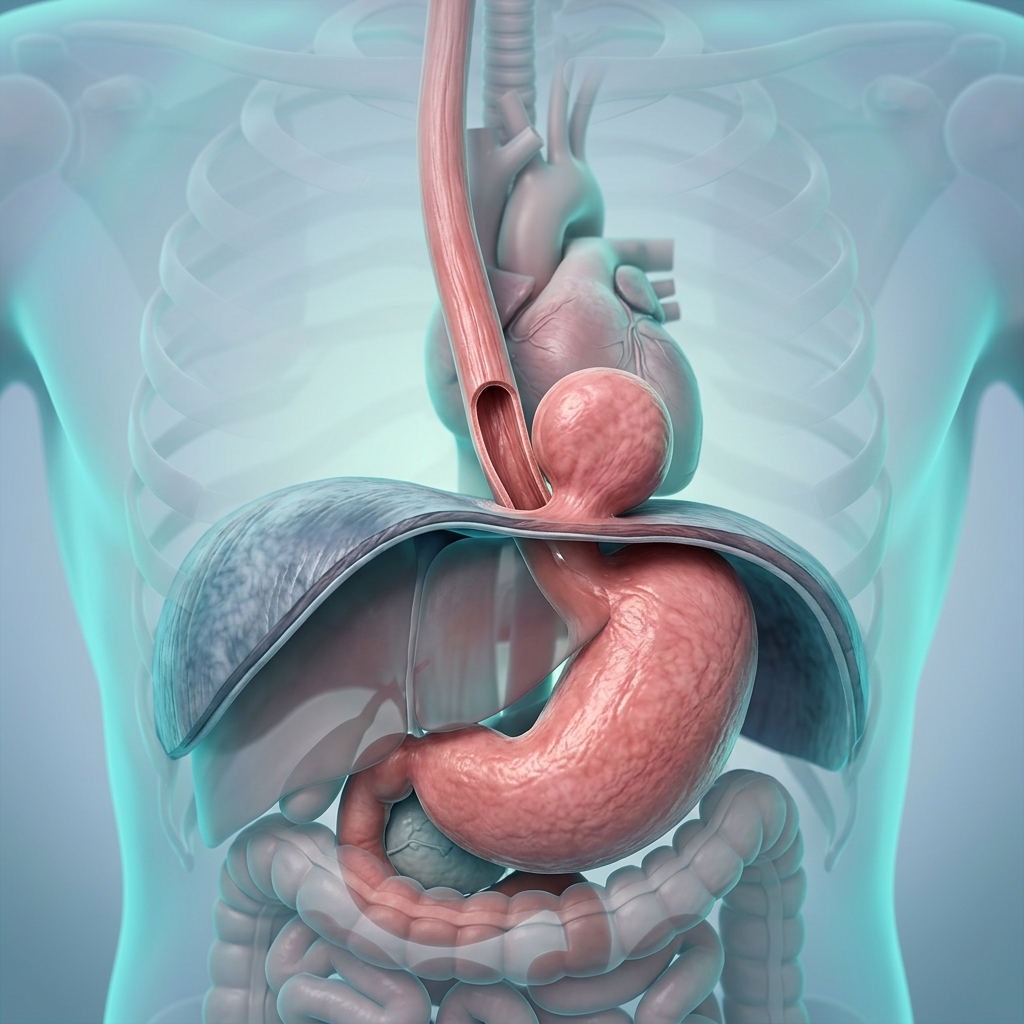
What is a Hernia?

A hernia occurs when an internal organ or tissue pushes through a weak spot in the surrounding muscle or connective tissue.

Understanding Hernias

How Hernias Develop

A hernia develops when an internal organ, typically part of the intestine or abdominal tissue, protrudes through a weakened area in the surrounding muscle or fascia. Think of it like a tube sock where the fabric has a weak spot — the sock can push through that hole.

1 in 4

Men will develop a hernia

in their lifetime
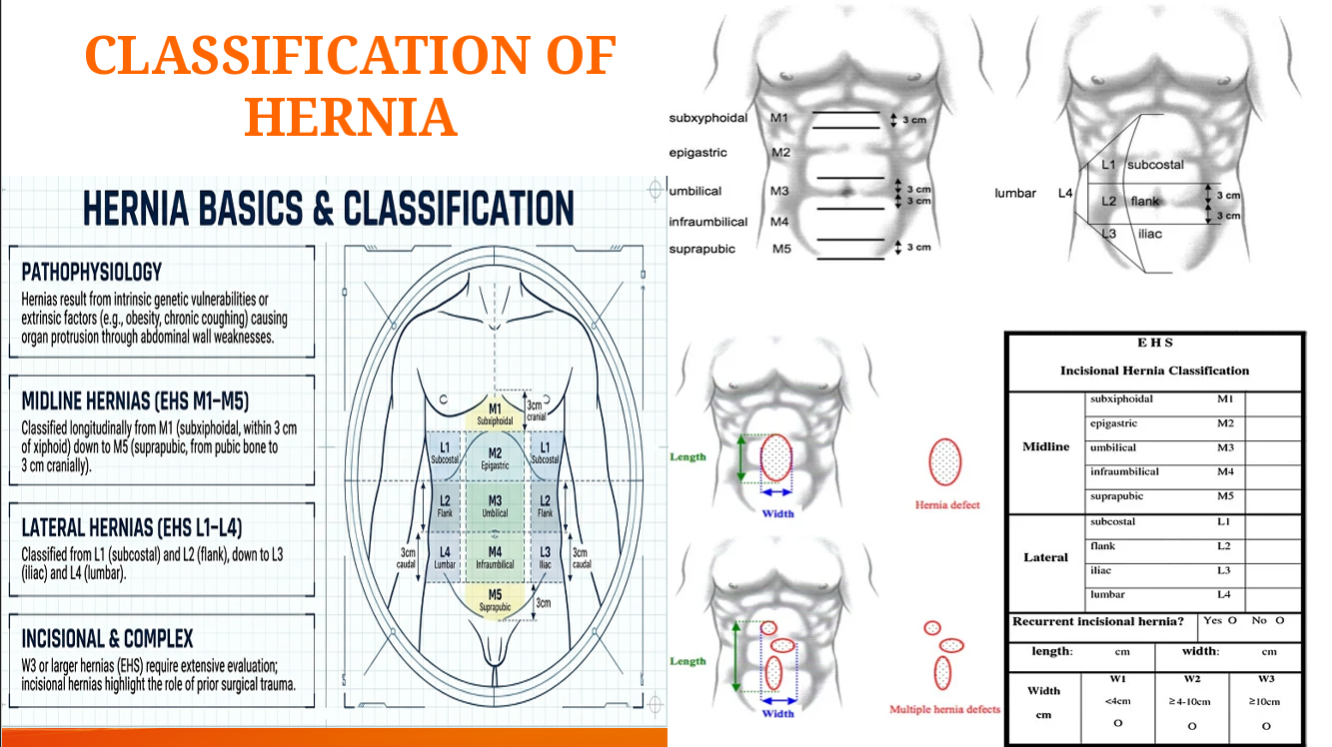
Classification of Abdominal Hernias Diagram
Progression

How Do Hernias Develop?

1

Weakness Develops

Natural weakness in the abdominal wall exists due to anatomy, aging, or previous surgery.

2

Pressure Increases

Activities that increase intra-abdominal pressure (coughing, lifting, straining) create force against the weak area.

3

Bulge Appears

Internal tissue begins pushing through, creating a visible bulge that may reduce when lying down.

Hernia Types

Common Types of Hernias

Groin hernia
Groin

Inguinal Hernia

Most common type (70%), occurs in the groin area. More frequent in men.

Umbilical hernia
Belly Button

Umbilical Hernia

Appears at or near the belly button. Common in infants and adults.

Incisional hernia
Surgical

Incisional Hernia

Develops at the site of a previous surgical incision.

Hiatal hernia
Internal

Hiatal Hernia

Part of stomach pushes through diaphragm into chest cavity.

Medical examination
Warning Signs

Common Symptoms

Visible Bulge

A noticeable lump, especially when standing or straining.

Pain or Discomfort

Aching or sharp pain that worsens with activity.

Heavy Sensation

Feeling of heaviness in the abdomen or groin area.

Concerned You Might Have a Hernia?

Early diagnosis and treatment prevent complications. Schedule a consultation with Dr. Kumar today.