Hernia Diagnosis

Understanding how hernias are diagnosed helps you prepare for your consultation. Most hernias can be identified through a thorough physical examination.

First Step

Physical Examination

The physical exam is often all that's needed to diagnose a hernia. Dr. Kumar will observe and palpate the area while you stand, checking for visible bulges and assessing the hernia's characteristics.

Visual Inspection

Looking for bulges while you stand or strain

Palpation

Gentle pressing to feel the hernia and check if it's reducible

Cough Test

Feeling for an impulse when you cough
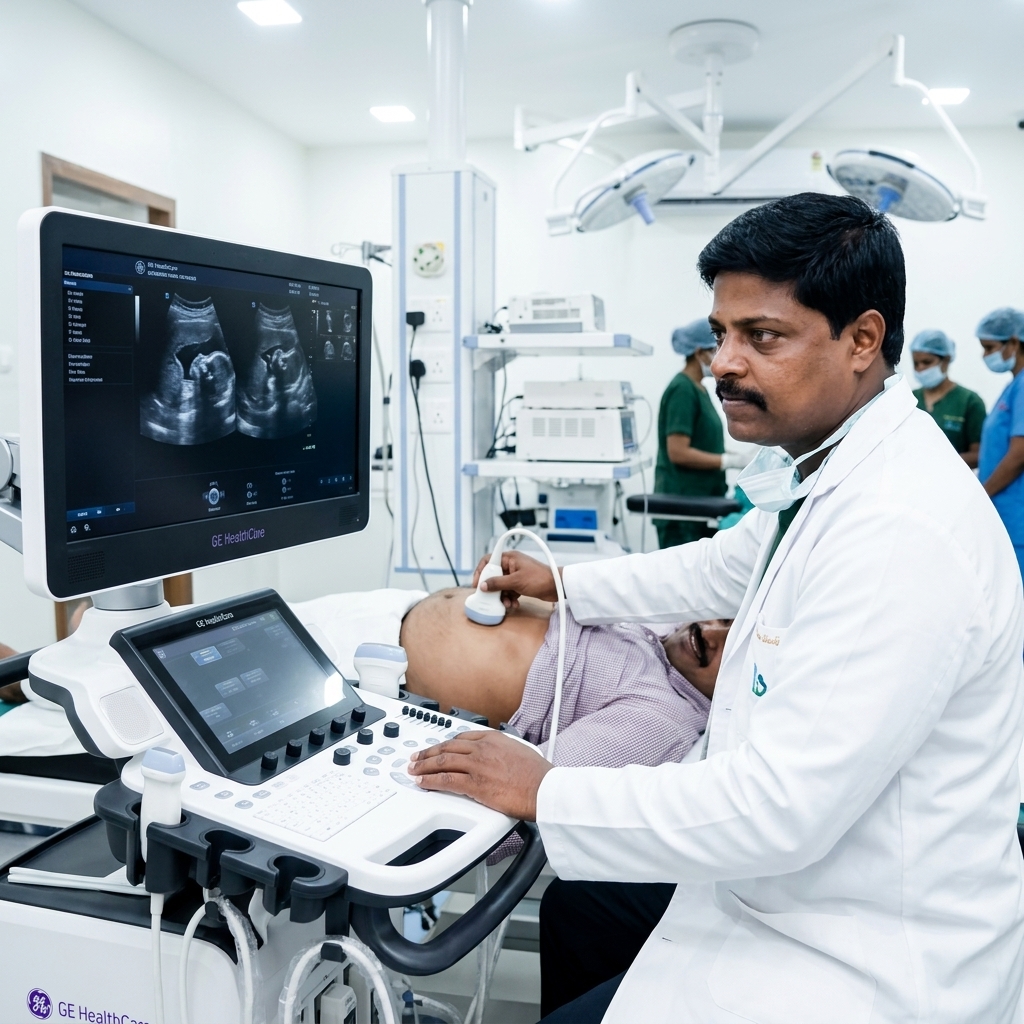
Medical examination
When Needed

Imaging Tests

Ultrasound

First-line imaging

Sound waves create real-time images. Quick, painless, and radiation-free.

  • No radiation
  • Real-time dynamic assessment

CT Scan

Detailed imaging

Cross-sectional X-ray images provide comprehensive view of the hernia.

  • For complex hernias
  • Pre-surgical planning

MRI

Best for soft tissue

Detailed images without any radiation exposure.

  • No radiation
  • For athletic pubalgia
Test Selection

When Is Each Test Used?

1 Clear Physical Finding

Physical exam alone is sufficient. No imaging needed in most straightforward cases.

2 Unclear Diagnosis

Ultrasound is the first choice - quick, accessible, and provides real-time dynamic assessment.

3 Pre-Surgical Planning

CT scan provides comprehensive view of all structures for surgical planning.

4 Pregnancy with Hernia

Ultrasound is safe - no radiation exposure for mother and baby.

Get an Accurate Diagnosis Today

Early and accurate diagnosis is the first step to effective treatment. Schedule your consultation with Dr. Kumar.