Innovation in Mesh Design

Self-Gripping
Mesh Technology

Revolutionary self-gripping mesh eliminates the need for sutures or tackers. Microgrip technology provides secure fixation without penetrating tissue, reducing pain and improving outcomes.
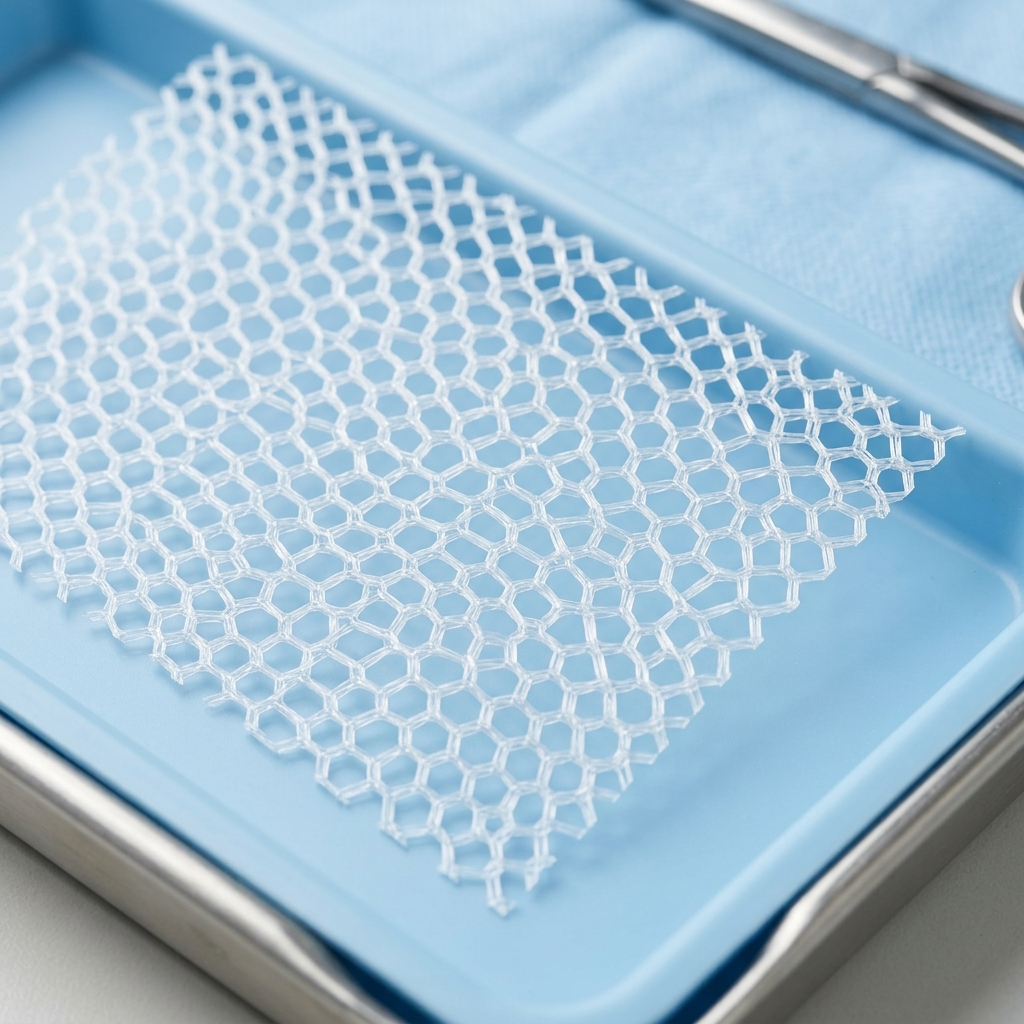
Self-Gripping Mesh Technology
How It Works

How Self-Gripping Mesh Works

Self-gripping mesh features microgrip technology on one surface, allowing it to cling to tissue without sutures, tacks, or glue. This innovation represents a significant advancement in hernia repair technique.

Self-Gripping Mesh Technology
1

Microgrip Surface

One side of the mesh has thousands of tiny microgrips that hold onto tissue when placed in contact, similar to hook-and-loop fasteners.

2

Simple Placement

Dr. Kumar positions the mesh and lightly presses it into place. The microgrips engage immediately, holding the mesh securely.

3

No Additional Fixation

Unlike traditional mesh, self-gripping mesh doesn't require sutures, tacks, or glue for most applications, eliminating fixation-related complications.

4

Immediate Security

The grip is instant and strong. The mesh stays in position while tissue integration occurs over the following months.

Key Benefits

Benefits of Self-Gripping Mesh

Reduced Operative Time

No time spent placing sutures or tacks. Mesh placement is quick and secure, reducing overall surgical time.

Less Chronic Pain

Studies show significantly lower rates of chronic groin pain compared to mesh fixed with sutures or tackers.

No Foreign Material

Eliminates risk of tackers or sutures being left as foreign bodies that can cause long-term nerve irritation.

Strong Initial Fixation

The grip is immediate and strong from the moment of placement, providing security even before tissue integration begins.

Consistent Placement

The mesh can be repositioned before final engagement, allowing for optimal placement without rush.

Ideal for Active Patients

Particularly beneficial for younger, more active patients who may be at higher risk for suture-related complications.

Patient Selection

Ideal Candidates for Self-Gripping Mesh

Young, Active Patients

Patients who are physically active benefit most from reduced fixation-related complications.

Inguinal Hernia Patients

Particularly effective for open inguinal hernia repair (Lichtenstein technique).

Concerned About Chronic Pain

Patients specifically worried about post-herniorrhaphy pain syndrome may benefit from sutureless repair.

Bilateral Hernia Repair

When operating on both sides, reduced operative time is especially valuable.

Important Considerations

Learning Curve

Surgeons need training on proper placement technique. Dr. Kumar has extensive experience with self-gripping mesh technology and ensures optimal placement.

Not for All Hernias

While excellent for many inguinal hernias, certain complex repairs or laparoscopic approaches may still benefit from alternative fixation methods.

Cost Considerations

Self-gripping mesh may cost slightly more than traditional mesh, but the benefits often outweigh this difference, especially considering reduced pain complications.

Evidence-Based

Multiple clinical studies and meta-analyses support the use of self-gripping mesh for reducing chronic pain after inguinal hernia repair.

Clinical Evidence

Clinical Evidence

Self-gripping mesh is supported by extensive clinical research and real-world outcomes.

50%
Less Chronic Pain

Compared to sutured repair in published studies

15-20
Minutes Saved

Average operative time reduction per case

98%
Patient Satisfaction

High satisfaction rates in long-term follow-up

<1%
Recurrence Rate

Equivalent or better than traditional techniques

FAQ

Frequently Asked Questions

Yes. Studies show that the microgrip technology provides fixation strength equivalent to or greater than traditional sutures, especially in the early post-operative period when security is most critical.

Personalized Consultations

Interested in Self-Gripping Mesh?

Dr. Kumar will evaluate your hernia and determine if self-gripping mesh is the best option for you.