
Special Considerations
Hernia in the Elderly
Increased Risk With Age
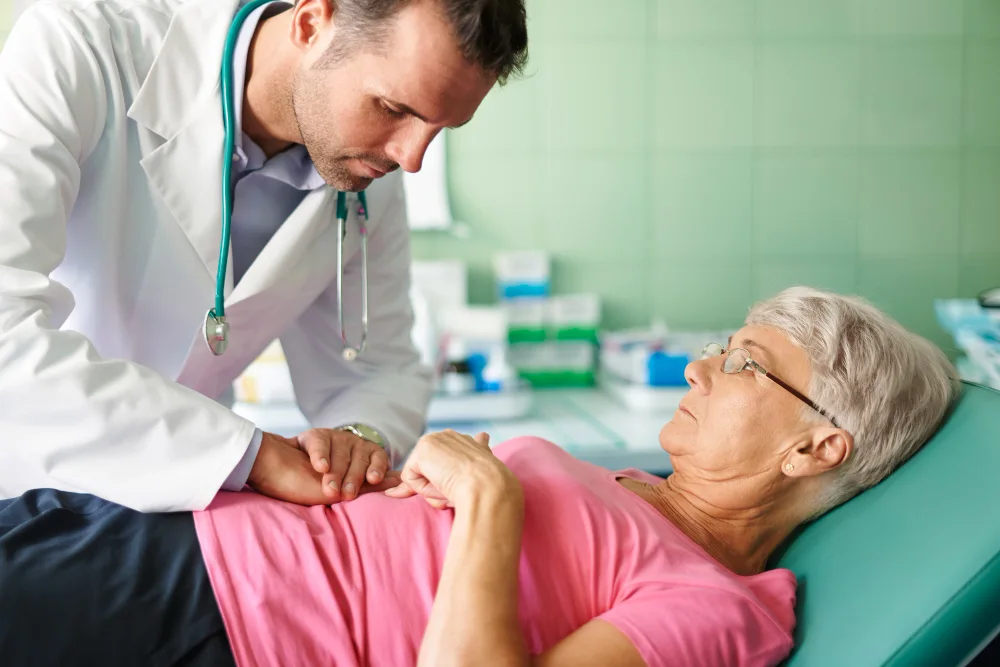
Hernias in the elderly are common because age-related changes weaken the abdominal wall over time. Factors such as decreased muscle strength, chronic coughing, constipation, previous surgeries, and medical conditions that increase abdominal pressure make older adults more prone to developing ventral, inguinal, or incisional hernias. In the elderly, hernias may grow larger or become symptomatic more quickly due to reduced tissue elasticity. They are clinically important because older patients have a higher risk of complications, such as obstruction or strangulation, and may also have other health conditions that influence treatment decisions. Management focuses on balancing the risks and benefits—ensuring symptoms, hernia size, and overall health status are carefully evaluated to determine whether surgical repair or careful monitoring is the safest approach.




Hernias in Children
Early-Onset Hernia Concerns
Hernias in children occur when a part of the intestine or tissue pushes through a weak spot in the abdominal wall. They are usually congenital, meaning the weakness is present at birth due to incomplete closure of natural openings in the abdomen. The most common types in children are inguinal hernias, which happen in the groin area, and umbilical hernias, which appear around the belly button. Pediatric hernias are important to identify because inguinal hernias do not close on their own and can lead to complications like trapping of the intestine, while umbilical hernias often close naturally but sometimes need treatment if they persist. Children usually recover quickly after repair, and early diagnosis helps prevent discomfort and avoid urgent complications.
Hernia After Pregnancy
Post-Pregnancy Hernia Risk
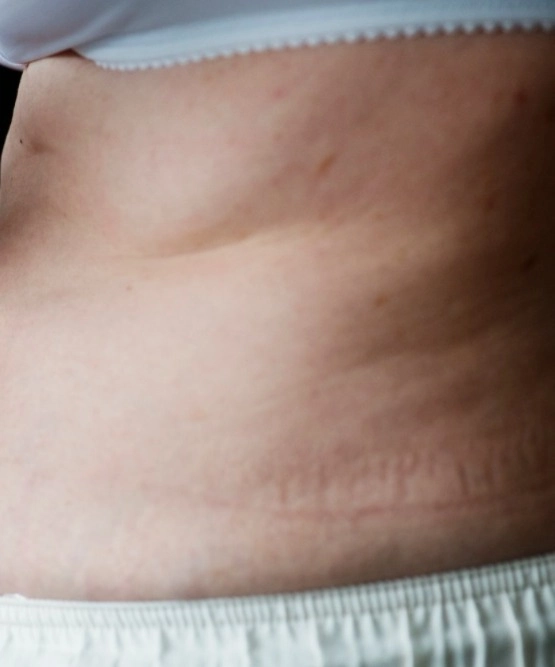
Hernia after pregnancy can occur because the abdominal wall stretches and weakens during pregnancy, especially with rapid abdominal growth, multiple pregnancies, C-sections, or hormonal changes that soften connective tissue, leading to umbilical, ventral, or incisional hernias. After childbirth, women may notice a bulge or discomfort as weakened tissues struggle to provide support. Post-pregnancy rehabilitation plays an important role in restoring core stability and reducing hernia risk; gentle, progressive strengthening of the deep core and pelvic muscles—focusing on breathing control, posture, and gradual activation of the transverse abdominis helps rebuild abdominal support without stressing healing tissues. Over time, consistent, guided core rehabilitation improves muscle balance, enhances functional stability, and helps prevent the formation or progression of hernias after pregnancy.




Divarication of Recti
Weakening of Midline Tissue
Divarication of recti, also known as diastasis recti, is a condition where the two rectus abdominis muscles (the “six-pack” muscles) separate due to stretching and weakening of the linea alba—the connective tissue that holds them together. This separation commonly occurs during pregnancy because the growing uterus increases abdominal pressure and hormones soften connective tissues, but it can also appear in obesity, rapid weight changes, or after abdominal surgery. Although not a true hernia, divarication can cause a midline bulge, reduced core strength, back pain, and poor abdominal support. Management focuses on targeted core rehabilitation that strengthens the deep abdominal muscles, especially the transverse abdominis, while avoiding exercises that strain or widen the gap; in severe or symptomatic cases, surgical correction may be considered.
Pendulous Abdomen and Abdominoplasty
Fixing Loose Belly Skin
A pendulous abdomen refers to an overhanging or sagging abdominal wall caused by weakened muscles, excess skin, or significant fat accumulation, often seen after multiple pregnancies, major weight loss, or aging, and it can contribute to back pain, poor posture, skin irritation, and reduced core support. Abdominoplasty (tummy tuck) is a surgical procedure used to correct this condition by removing excess skin and fat while tightening the abdominal muscles, helping restore a firmer, flatter abdominal contour. It is often chosen for both functional and cosmetic reasons, as it can improve core stability, posture, and comfort, especially in individuals whose abdominal tissues have stretched beyond the point where exercise alone can provide correction.

Abdominal Wall Reconstruction
Rebuild the Belly Wall
Abdominal wall reconstruction is a specialized surgical approach used to repair large, complex, or recurrent abdominal wall defects that cannot be corrected with standard hernia repair techniques. These defects may result from previous surgeries, trauma, infection, large hernias, or significant tissue loss. The goal of reconstruction is to restore both the structural strength and functional integrity of the abdominal wall by repositioning muscles, closing wide gaps, and placing mesh in strong anatomical layers when needed. This procedure improves core stability, supports normal breathing and movement, reduces pain, and lowers the risk of future hernia recurrence. Abdominal wall reconstruction is tailored to each patient’s anatomy and may involve techniques such as component separation, TAR, or retromuscular mesh placement to achieve a durable, tension-free repair.


Mesh-less Hernia Repair
Tissue-Based Repair
This technique focuses on repairing the hernia using the patient’s own tissue instead of synthetic mesh. It involves strengthening and suturing the weakened abdominal wall to provide a natural, long-lasting repair. Many patients prefer this option because it avoids complications associated with mesh, such as chronic pain or infection. Recovery is typically smooth, and the method is especially suitable for small to medium hernias, offering a safe and effective alternative to mesh-based surgery. This approach also preserves normal anatomy without introducing foreign materials. Surgeons often recommend it for younger patients or those concerned about mesh-related risks. It can reduce long-term discomfort and improve overall mobility. With proper post-surgery care, patients often return to daily activities faster and with fewer restrictions.