
Robotic Hernia Surgery
Robotic Hernia Surgery
Advanced Minimally Invasive Hernia Repair
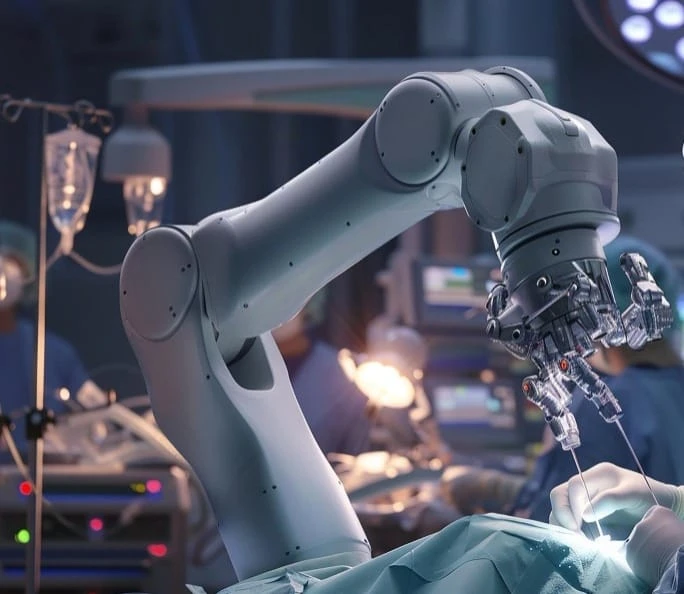
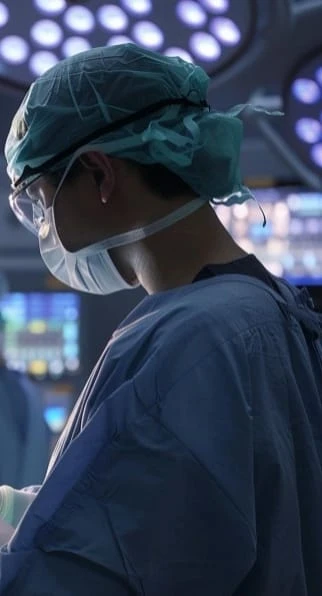
Modern minimally invasive hernia repair uses advanced techniques like laparoscopy and robotic-assisted surgery to treat hernias through tiny incisions rather than a large cut, providing enhanced precision, clear visualization, and gentle tissue handling for a safer and more comfortable procedure. These small incisions result in less pain, reduced blood loss, minimal scarring, and faster recovery compared to traditional open surgery, allowing patients to return to daily activities sooner with fewer complications. Suitable for inguinal, umbilical, and ventral hernias, this approach offers families a reliable, effective, and patient-centered solution with a smoother overall healing experience.
Inguinal Hernia
An inguinal hernia forms in the groin when tissue slips through weak muscles. It is common and occurs more often in men.
Umbilical Hernia
Appears near the belly button when tissue pushes through weak muscles. It is common and often noticed as a small bulge.
Epigastric Hernia
Occurs when part of the stomach moves into the chest through the diaphragm, often causing acidity or discomfort.
Incisional Hernia
Develops at the site of a surgical scar when tissue pushes through weak muscles, often appearing months or years after surgery.
Preparing for Your Hernia Surgery
Steps to Ensure a Safe and Smooth Procedure
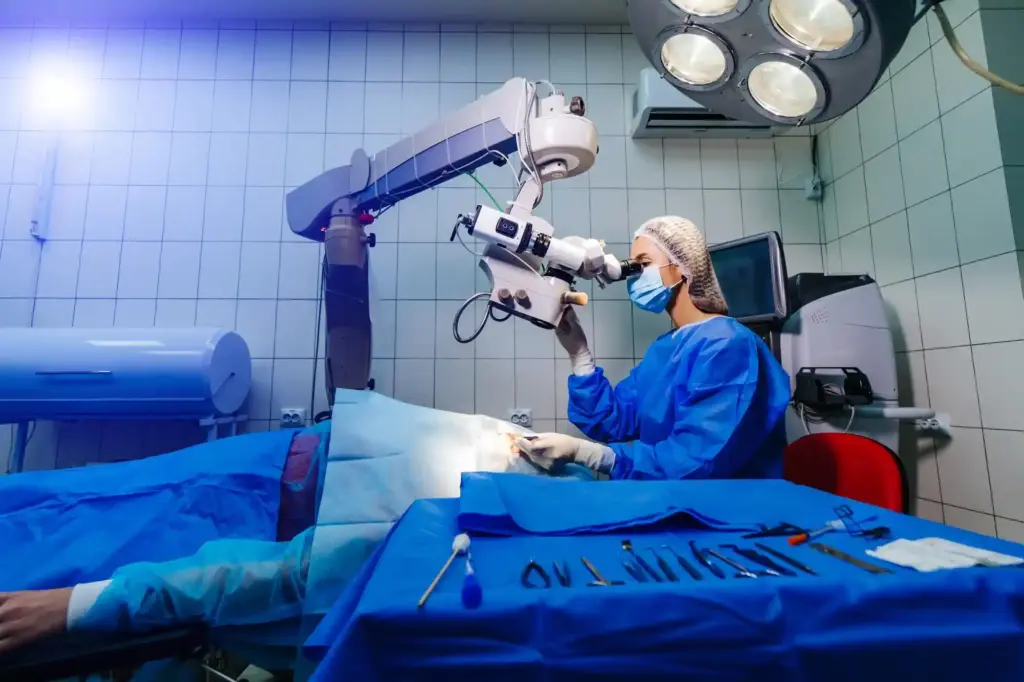
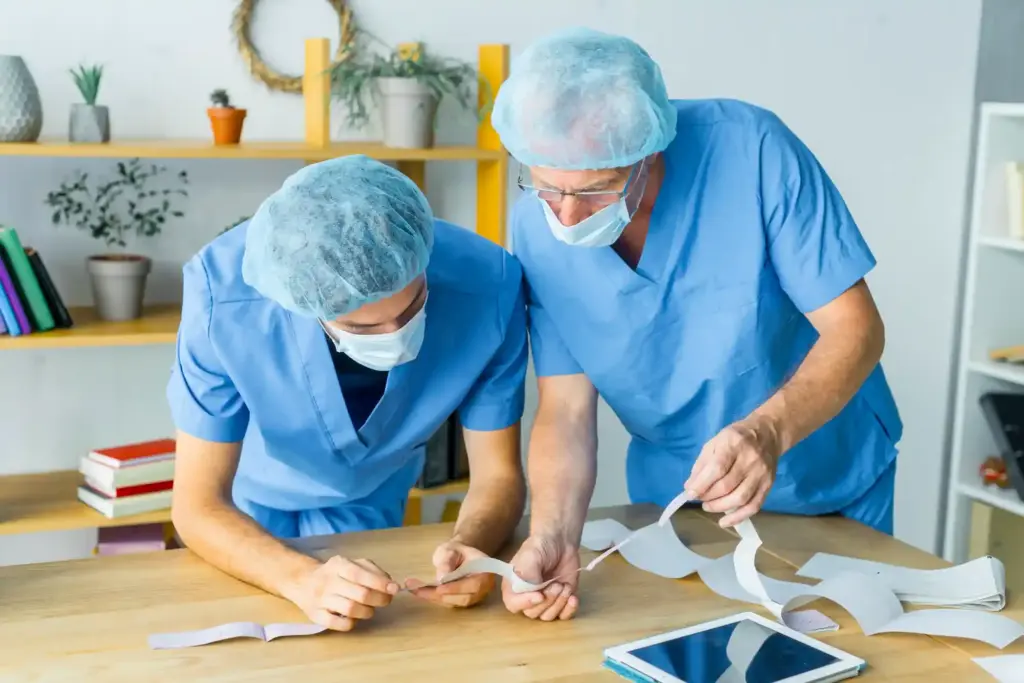
Preparing for hernia surgery involves completing basic tests, reviewing medications, and following fasting instructions from your surgeon. Avoid heavy meals the night before and wear comfortable clothing on the day of the procedure. Arrange transportation and plan for a short recovery period at home. Proper preparation helps ensure a smooth surgery and faster healing.
- A gentle physical examination and age-appropriate tests
- Instructions on feeding or fasting before surgery
- Guidance on medications or health conditions such as cough or cold
- Reassurance about anesthesia, which is safe and carefully monitored
After Robotic Hernia Surgery
Recovery Expectations and Post-Operative Care
Certain lifestyle habits and health conditions can increase your risk of developing a hernia. Factors like heavy lifting, obesity, chronic coughing, and aging can weaken muscles over time. Reducing these risks through regular exercise, a balanced diet, and avoiding smoking can greatly lower your chances of getting a hernia.
Quick Recovery
Most patients can go home the same day or within 24 hours, enjoying comfort and monitored recovery at home.
Early Nutrition
Patients can typically eat and drink normally within a few hours after surgery. Light meals are recommended initially, gradually returning to a regular diet as tolerated.
Light Activity
Patients can resume gentle activities a few days after surgery, gradually increasing movement to support recovery.
Play Resumption
Children can return to play shortly after surgery. Activities should be gradually reintroduced, avoiding high-impact movements, ensuring a safe recovery.
Benefits of Robotic Hernia Repair Surgery
Safe Precise Comfortable Repair
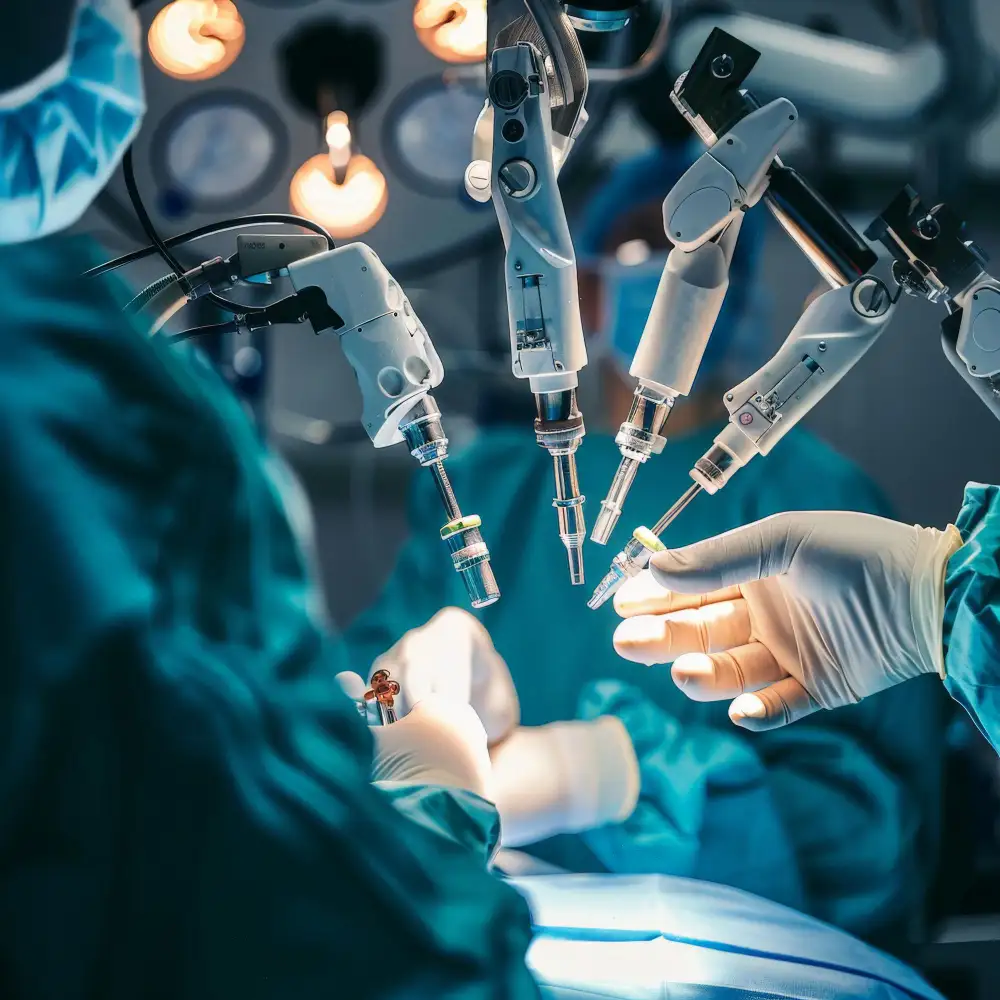
Robotic hernia repair provides precise, minimally invasive surgery with smaller incisions, less pain, and faster recovery. Enhanced visualization and gentle tissue handling improve safety and reduce complications. This advanced approach ensures a smoother, more comfortable healing experience.
Minimal Scars
Robotic hernia surgery uses small incisions, causing minimal scarring, faster healing, less pain, and better cosmetic results.
Quick Recovery
Robotic hernia surgery reduces pain and speeds recovery, helping patients return to normal activities quickly and safely.
High Precision
Robotic hernia surgery provides high precision, enabling safe operation in delicate areas with minimal tissue damage.
Reduced Recurrence
Robotic hernia repair reduces recurrence risk through precise mesh placement and strong tissue reinforcement.
Child-Safe Precision
Robotic hernia surgery provides controlled, delicate movements, protecting pediatric tissues & ensuring safe, effective repairs.
Accurate Repair
Robotic hernia surgery enables precise diagnosis and repair, ensuring accurate treatment and improved outcomes.