If you’ve recently noticed persistent lower-back discomfort, swelling near the flank, or a visible bulge in the lumbar region, it may be more than just a muscle issue — it could be a lumbar hernia. These symptoms can feel worrying, but you’re not alone. Under the expert care of Dr. Kumar, a trusted specialist in Lumbar Hernia Treatment in Chennai, patients can find clarity, comfort, and a clear path toward long-term relief. This guide will help you understand what a lumbar hernia is, why it happens, its symptoms, potential complications, modern treatment options, and how the right care can restore your mobility and peace of mind.

Symptoms can vary from mild to severe, but common signs include:
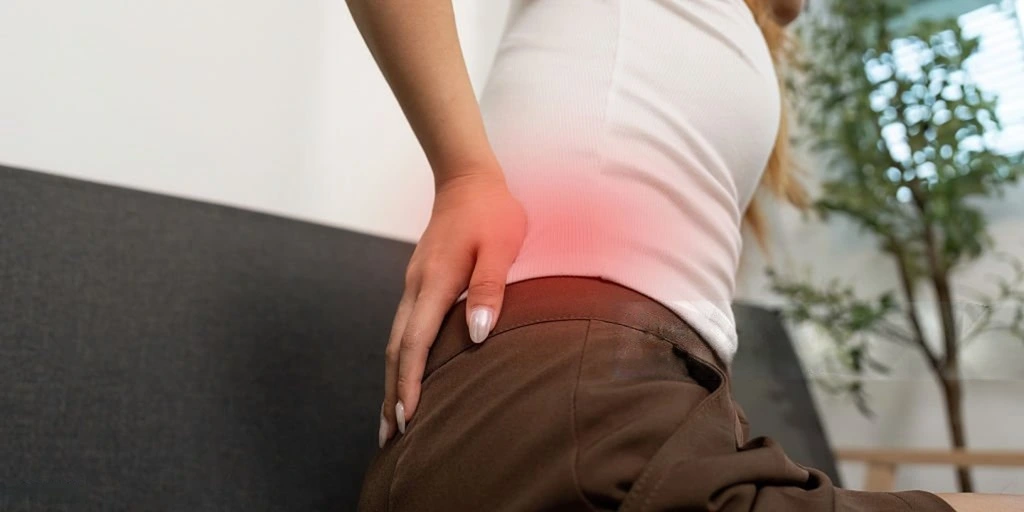
A soft bulge or swelling on one side of the lower back
Localised pain that worsens with movement, bending, or lifting
A feeling of pressure, heaviness, or weakness in the lumbar region
Pain that may radiate toward the abdomen or flank
Difficulty performing daily activities due to discomfort
Pain that increases when coughing, sneezing, or straining
Lumbar hernias occur in distinct anatomical areas of the lower back, and understanding the specific type helps determine appropriate evaluation and surgical planning.
Primary lumbar hernia
Secondary lumbar hernia
Superior lumbar hernia (Grynfeltt-Lesshaft)
Inferior lumbar hernia (Petit’s hernia)
Acquired postoperative lumbar hernia
Lumbar hernias are diagnosed using clinical examination and advanced imaging techniques that help identify the defect, evaluate surrounding structures, and plan treatment accurately. Early and precise diagnosis ensures timely intervention and reduces the risk of complications.
Lumbar hernia treatment provides significant relief from symptoms, prevents serious complications, and restores patient mobility by addressing the defect effectively through modern surgical methods.
Reduced back pain and discomfort
Improved mobility and strength
Prevention of hernia enlargement
Lower risk of strangulation
Long-term stability with mesh repair
Lumbar hernias can lead to progressive symptoms and serious complications when untreated, making early evaluation important to avoid life-threatening or function-limiting outcomes.
Bowel obstruction risk
Persistent back pain
Enlargement of hernia defect
Nerve compression symptoms
Possibility of strangulation
Lumbar hernia treatment focuses on surgical repair using minimally invasive or open techniques to reinforce the defect and ensure long-term functional recovery.
Laparoscopic hernia repair
Open mesh repair
Robotic-assisted repair options
Pain management medications
Postoperative physiotherapy support
Dr. Kumar is known for his precision, compassionate care, and commitment to delivering excellent medical treatment. His patient-focused approach, combined with modern techniques, ensures safe, efficient, and comfortable healthcare experiences. Patients trust him for his dedication, clear communication, and strong focus on long-term well-being and post-treatment support.