Femoral Hernia

Femoral Hernia

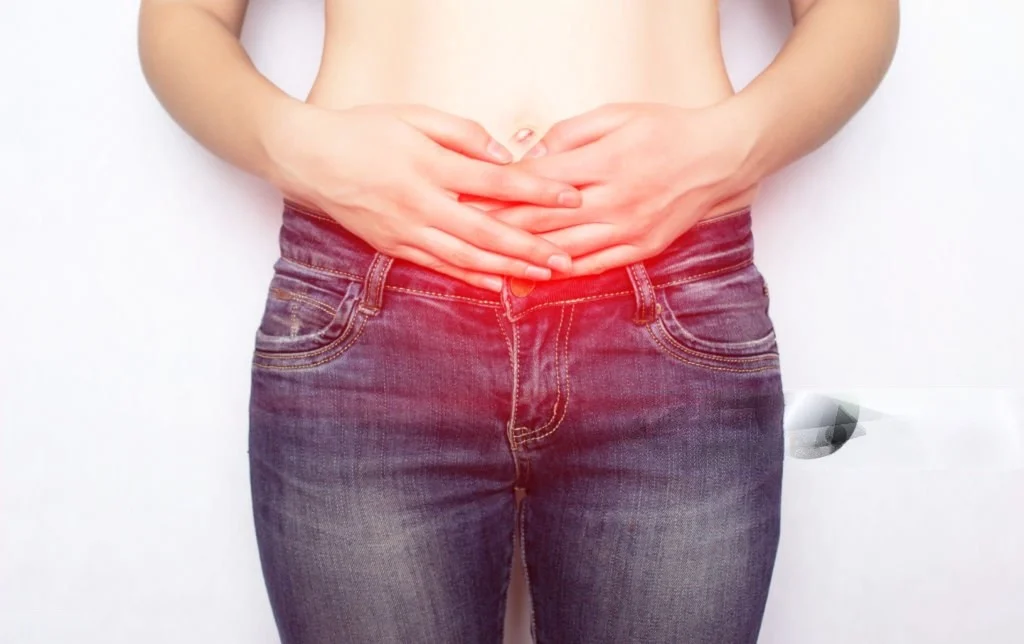
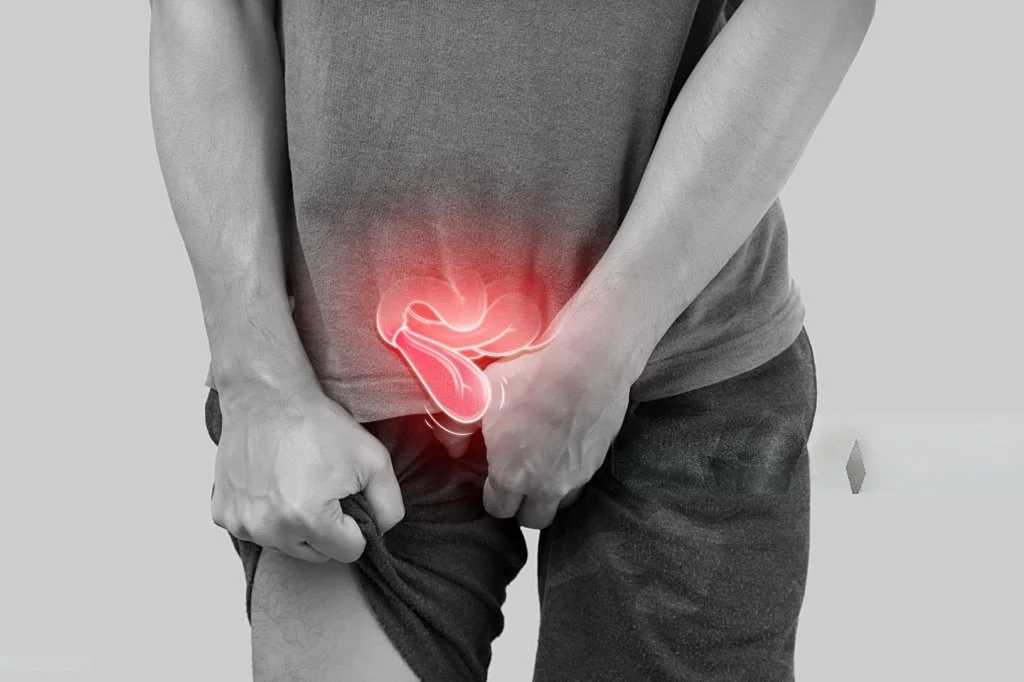
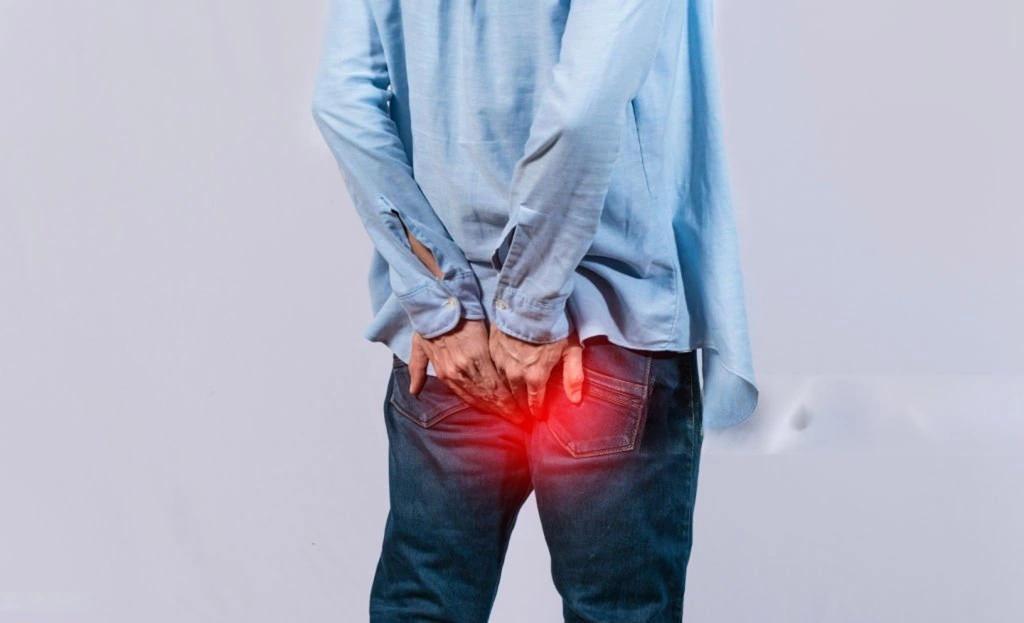
If you’ve noticed a small lump or persistent discomfort near your groin or upper thigh, it could be a femoral hernia, a condition that’s more common than many realize. Though it can cause concern, the good news is that with modern femoral hernia treatment in chennai, complete recovery is very achievable. This guide will help you understand what a femoral hernia is, its causes, symptoms, diagnosis, and treatment options  and how timely medical care ensures long-term wellness.

Femoral Hernia
Signs & Symptoms of Femoral Hernias

Signs & Symptoms

Early recognition of symptoms is essential for effective management. Common signs include:

  • A bulge or lump near the upper thigh or groin 
  • Dull ache or pain that worsens with activity or standing 
  • A feeling of heaviness or pressure in the lower abdomen 
  • Pain, nausea, or vomiting in severe cases (may suggest strangulation)
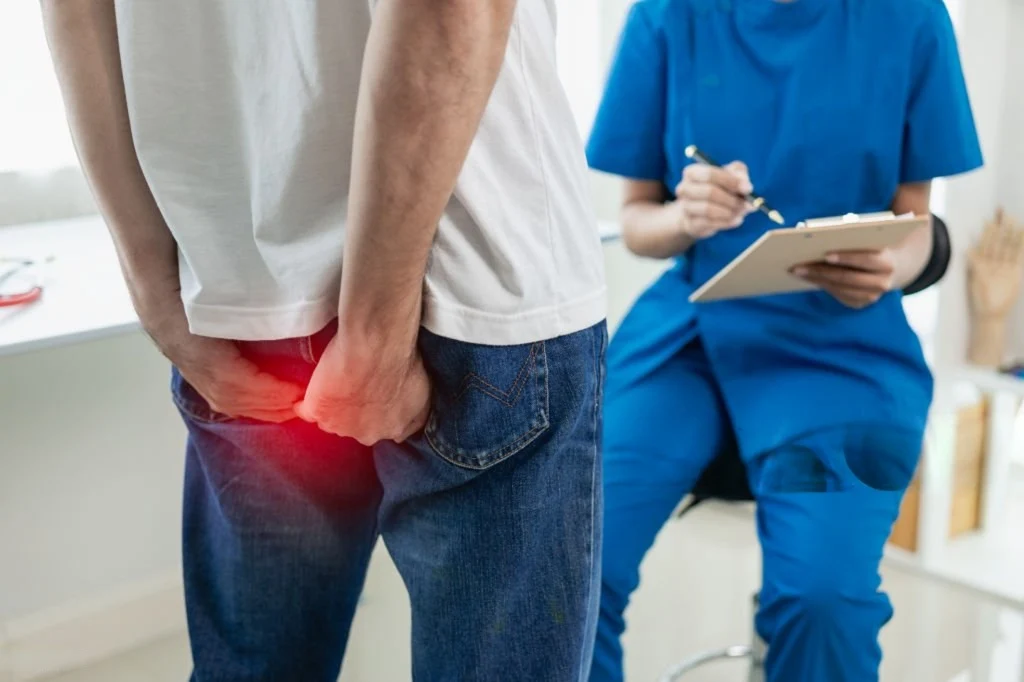
    If you notice any of these symptoms, it’s important to consult a femoral hernia repair specialist in chennai for proper diagnosis and care.

Types

Understanding the type of femoral hernia helps determine the best treatment plan:

  • Reducible Hernia: The bulge can be gently pushed back into the abdomen and may cause mild or occasional discomfort. 
  • Incarcerated Hernia: The hernia becomes trapped and cannot be pushed back, often leading to continuous pain. 
  • Strangulated Hernia: A serious condition where blood flow to the trapped tissue is blocked, requiring immediate femoral hernia surgery in chennai to prevent complications.
Types of Femoral Hernia
Diagnosed

Diagnosed

When a femoral hernia is diagnosed, timely medical attention is essential to prevent complications and ensure effective treatment with advanced surgical care.

  • Accurate diagnosis helps identify hernia severity and guides the best treatment approach

  • Imaging tests confirm hernia location and size for proper planning

  • Early detection reduces risks of obstruction or strangulation

  • Specialists recommend minimally invasive or open surgery based on condition

  • Post-diagnosis follow-up ensures smooth recovery and long-term hernia prevention

Benefits

Robotic-assisted hernia repair combines precision with faster recovery. Key benefits include:

  • Minimal pain and scarring 
  • Reduced risk of recurrence 
  • Shorter hospital stay 
  • Quick return to daily activities 
  • Greater surgical accuracy 
Benefits of Robotic Femoral Hernia Surgery
Complications

Complications

Femoral hernias can lead to serious health risks if not treated on time, making early intervention crucial to avoid life-threatening complications effectively:

  • Strangulation cutting off blood supply to intestines

  • Bowel obstruction causing severe abdominal pain

  • Tissue death requiring emergency surgery

  • Increased risk of infection and swelling

  • Persistent discomfort affecting daily activities

Treatment

Treatment depends on the size, severity, and symptoms of the hernia:

  • Observation: Small, painless hernias may be monitored if they pose no immediate risk. 
  • Open Surgery: The surgeon makes a small incision to repair the weak spot, often reinforcing it with a surgical mesh. 
  • Laparoscopic or Robotic Surgery: These minimally invasive methods involve small incisions, less discomfort, and faster recovery.
Femoral Hernia Treatment Options

Why Choose Dr. Kumar

Dr. Kumar is recognized for his precision, compassionate care, and expertise in inguinal hernia surgery in Chennai. His patient-focused approach, combined with advanced techniques, ensures safe, efficient, and comfortable treatment experiences. Patients trust him for his dedication to long-term results and post-surgical care.