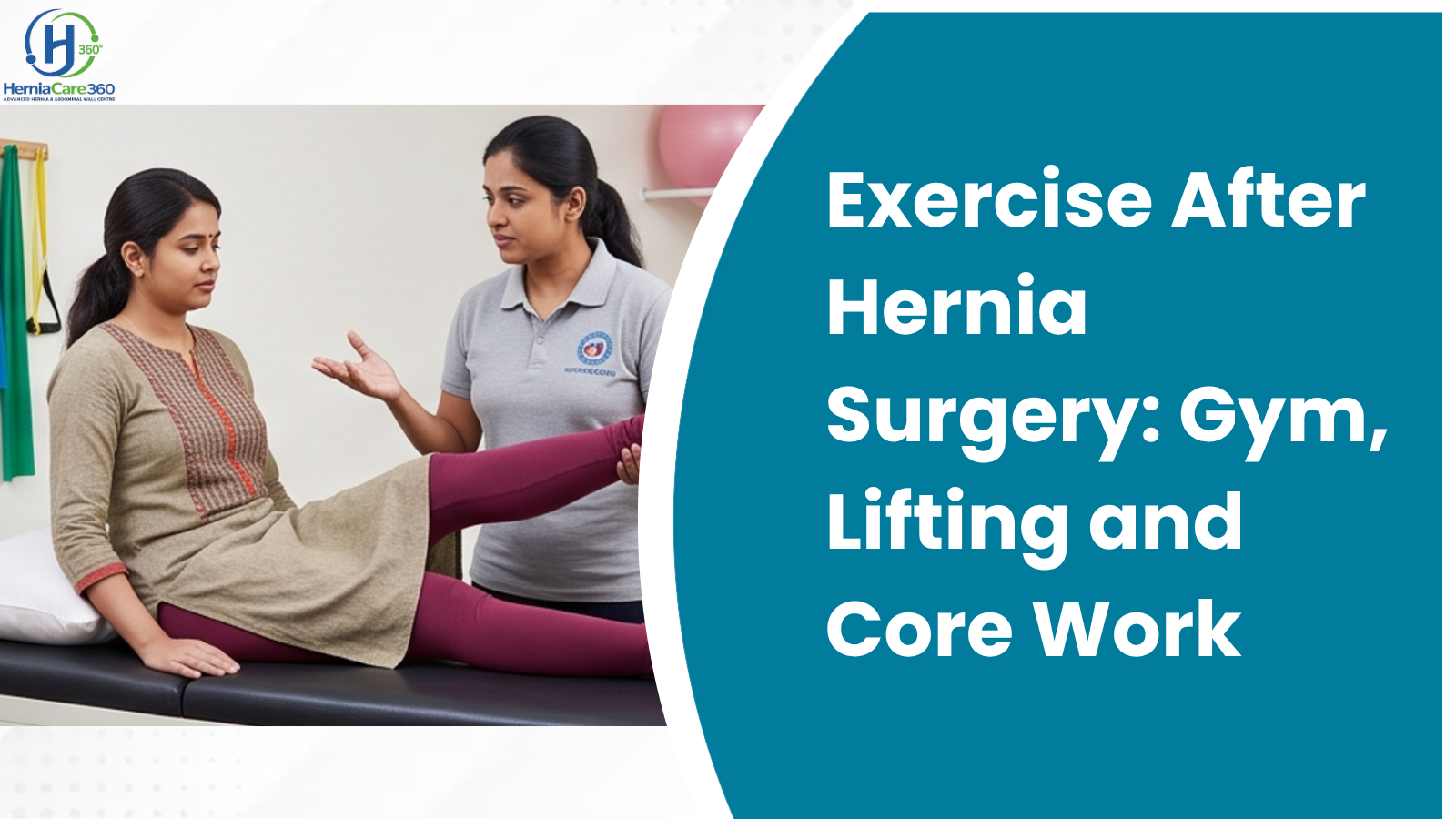
Walking only for the first two weeks, light resistance from week four, moderate weights from week six, and a gradual return to full training between weeks eight and twelve. Core exercises come back last, not first, because they load the exact tissue that was repaired. Losing fitness for a few weeks is temporary. Loading the repair too soon can undo the surgery itself.
Why This Matters More to Gym-Goers Than to Anyone Else
If you train regularly, hernia surgery raises a specific fear that a desk-job patient never has: not just "when can I move again" but "will I lose the fitness I built." That fear pushes people toward the gym faster than is wise, and the abdominal wall is precisely the structure that just had a defect closed in it.
Mesh takes time to integrate with your own tissue, and the muscle layer around it needs time to regain tensile strength. Training load before that has happened is one of the more preventable reasons a repair fails early. The good news is that the loss of fitness during a properly paced return is smaller than most active people expect, and mostly reversible within weeks of resuming full training.
The Phased Return: What Load Is Safe, and When
| Phase | Permitted load | What to do |
|---|---|---|
| Weeks 0 to 2 | Under 2 to 4 kg | Short, frequent walks only. No resistance training, no core work of any kind. |
| Weeks 2 to 6 | Up to 5 to 8 kg | Resistance bands, light machines that avoid the trunk, longer walks. Still no sit-ups, planks or deadlifts. |
| Weeks 6 to 12 | Roughly 50% of pre-surgery weights | Bodyweight squats, light dumbbells, gentle core reintroduction from week 8 onward, easy jogging or cycling. |
| Week 12 onward | Full pre-surgery loads | Compound lifts, running, contact sport and full core training, if pain-free and cleared at review. |
These figures are typical for a standard keyhole repair with no complications. Open surgery, a large defect, or a recurrent hernia usually shift every phase later by one to two weeks. For the general recovery picture alongside this training focus, see our week-by-week recovery guide.
Why Core Work Comes Back Last
Every other muscle group you train sits away from the repair. Your core does not. Sit-ups, crunches, planks and heavy compound lifts all raise pressure directly against the area that was just closed, which is exactly the pressure a hernia forms under in the first place.
From around week eight, start with pelvic tilts and seated marches, movements that engage the core gently without bracing hard against it. Add load slowly from there. If a movement causes pulling, pinching, or a bulge you did not have before, stop and go back a phase rather than pushing through it.
Athletes and Sports-Specific Training
If your training involves repeated twisting, sprinting, or change of direction, add an extra check before returning to full contact or competition. Groin and lower abdominal pain in athletes is not always a straightforward hernia, and sometimes overlaps with what is known as a sports hernia, a related but distinct injury with its own rehabilitation path. Mention your sport specifically at your review so the plan reflects the actual demands of it.
The Real Reason to Be Patient
Recurrence, not slow fitness, is the actual risk here. Training too heavy, too early is one of the load-related factors that can undermine an otherwise successful repair. Our guide on hernia recurrence risk covers what genuinely raises that risk and what does not, alongside this training timeline.
Signs to Stop and Step Back a Phase
- 1A new bulge or swelling at the incision during or after a set.
- 2Sharp, localized pain rather than the general muscle fatigue you would expect.
- 3Pain that is worse the next morning rather than settling with rest.
- 4Any pulling sensation that was not present in your last session.
Frequently Asked Questions
Q1: When can I go back to the gym after hernia surgery?
Light machine work and resistance bands are usually fine from around week four. Full gym training, including free weights and compound lifts, typically waits until week eight to twelve.
Q2: Can I do core exercises like sit-ups or planks after hernia repair?
Not in the first six weeks. Core exercises load the exact muscle layer that was repaired, so they are reintroduced last, starting with gentle pelvic tilts around week eight.
Q3: How much weight can I lift two weeks after hernia surgery?
Keep everything under two to four kilograms for the first two weeks, roughly a full kettle or a bag of groceries. Anything heavier risks straining the fresh repair.
Q4: Will exercising too soon cause my hernia to come back?
It can. Loading the repair before the mesh has integrated and the tissue has regained strength is one of the more avoidable causes of early recurrence after surgery.
Q5: Is running safe after hernia surgery?
Light jogging is often possible from around week six for keyhole repairs. The repeated impact means most surgeons prefer walking and cycling until then, then a gradual build-up.
Q6: Do I need to change my training forever after a hernia repair?
No. Most people return to their full pre-surgery training within three months. The changes described here are temporary, built around how the repair heals, not permanent limits.
This article is general medical information, not a personal training plan. Confirm your own phased return with the surgeon who performed your repair.
Get a Training Plan Matched to Your Repair
Book a review so your progression back to the gym is set against your actual healing, not a generic timeline.
Book a Consultation