eTEP
Extended Totally Extraperitoneal
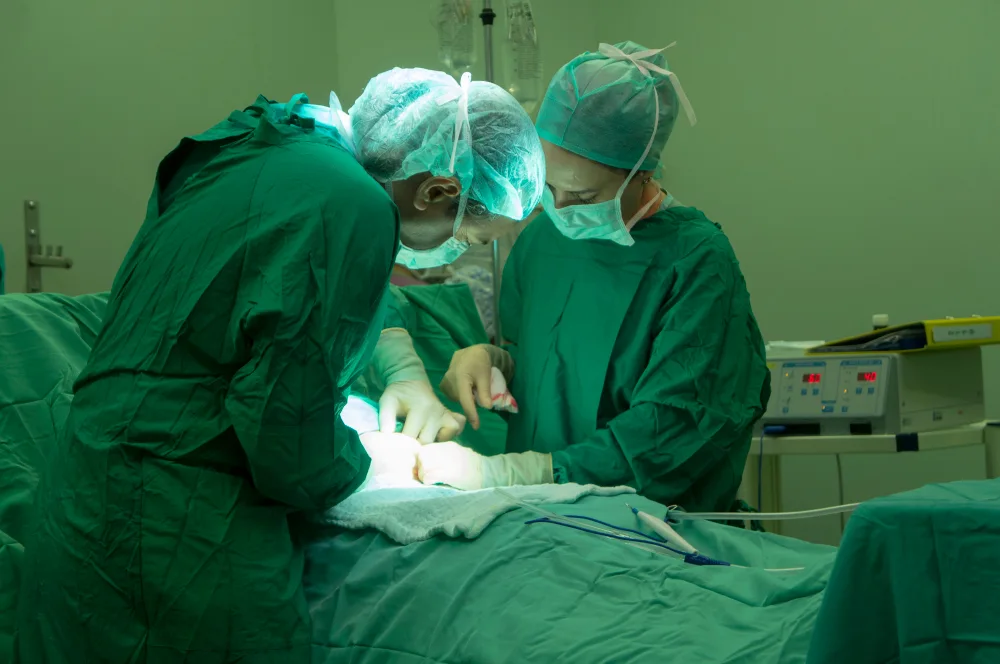
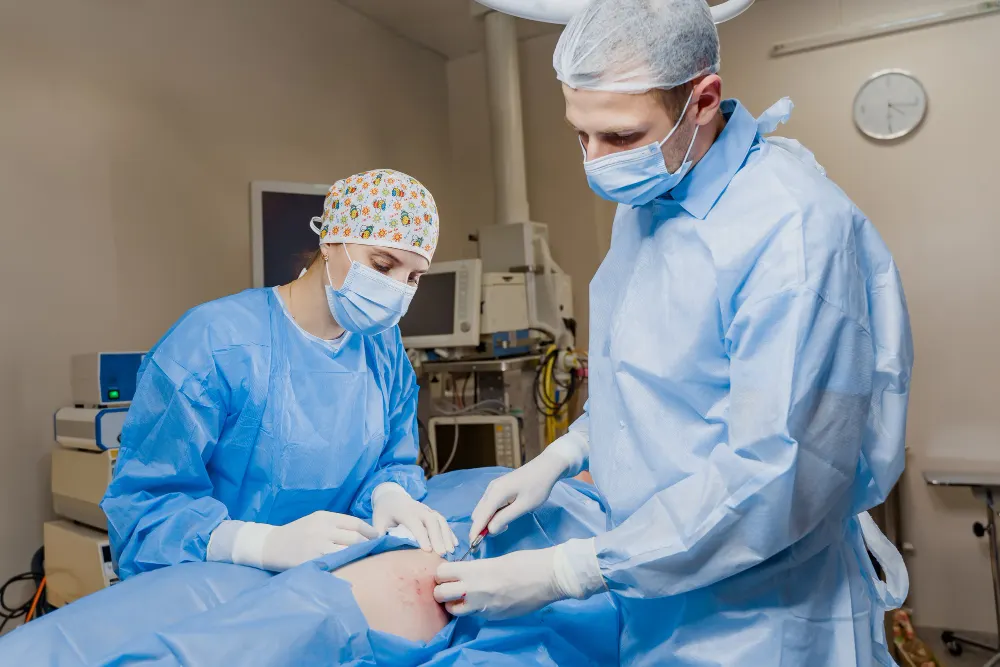
Hernia repair is a modern minimally invasive technique used to treat ventral and incisional hernias by working in the natural retromuscular space behind the abdominal muscles, without entering the abdominal cavity. This method is used because it reduces postoperative pain, allows the mesh to be placed in a strong and protected anatomical layer, lowers the risk of hernia recurrence, preserves abdominal wall function, and provides better cosmetic results through smaller incisions.
TAR
Transversus Abdominis Release
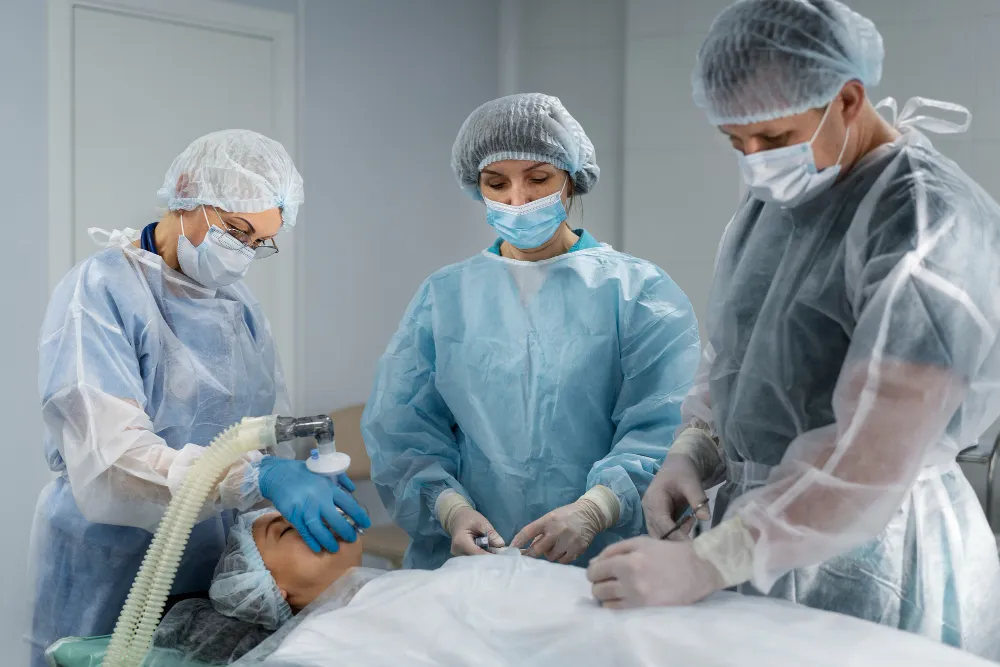
TAR is an advanced abdominal wall reconstruction technique used for complex or large ventral and incisional hernias. In this procedure, the surgeon releases the transversus abdominis muscle to create a wide, tension-free space in the retromuscular plane, allowing large hernia defects to be closed and reinforced with mesh in a strong, well-protected anatomical layer. TAR is used because it provides excellent medialization of the abdominal muscles, enables durable reconstruction of wide defects, reduces tension on the repair, and offers long-term stability with lower recurrence rates, especially in challenging or recurrent hernia cases.
Component Separation
Ensuring Tension-Free Closure
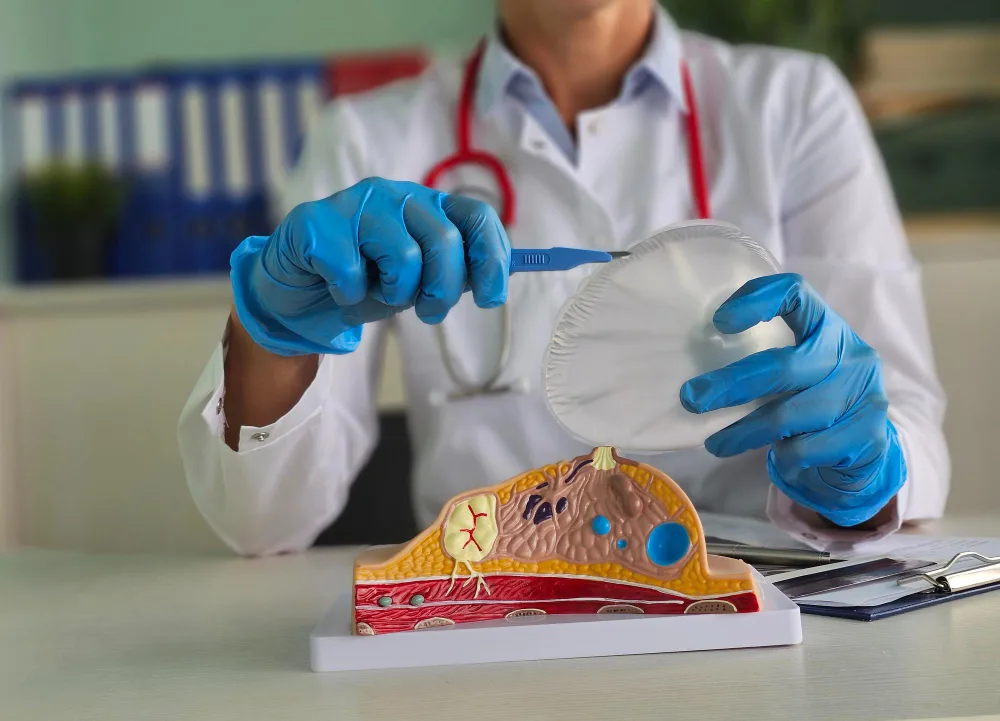
Component Separation is a reconstructive technique used for large or complex ventral hernias where the abdominal muscles cannot be brought together with standard methods. It involves carefully separating and releasing specific layers of the abdominal wall muscles to allow them to stretch and move toward the midline, creating enough tension-free space to close the defect. This approach is used because it restores natural anatomy, improves abdominal wall function, allows for durable closure of wide hernia gaps, and reduces the need for excessive tension or multiple mesh layers, making it especially valuable for major or recurrent hernias.
Pre-operative preparation
Pre-Surgery Guidelines for Patients
Pre-operative preparation refers to the general steps taken before hernia surgery to ensure a patient is medically ready and the procedure can be performed as safely as possible. It typically includes a thorough medical evaluation, review of past surgeries, assessment of overall health conditions, and planning based on the type and complexity of the hernia repair. Patients may undergo standard tests such as blood work or imaging, and healthcare providers often discuss medications, lifestyle factors, and expectations for recovery. The purpose of pre-operative preparation is to optimize the patient’s condition, reduce surgical risks, and create a clear plan for a smooth and safe operative and postoperative course.
Botox
Botox as a Pre-Operative Tool
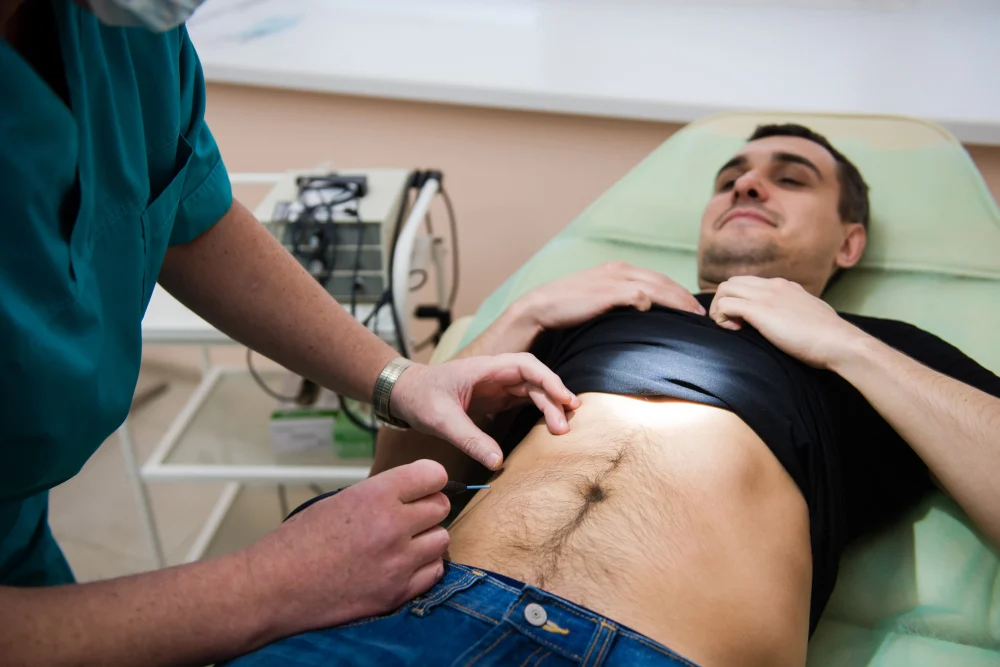
Botox (Botulinum toxin) in abdominal wall reconstruction is used as a pre-operative aid for large or complex hernias. It is injected into the lateral abdominal muscles to temporarily relax and lengthen them, making it easier to bring the muscles toward the midline during hernia repair. This technique is used because it helps achieve a tension-free closure, reduces the need for more invasive muscle-release procedures, and improves overall abdominal wall function after surgery.
PPP
Enhancing Surgical Safety with PPP
PPP (Progressive Pneumoperitoneum) is a pre-operative technique used for large or complex ventral hernias, especially when the abdominal cavity is too small to safely accommodate the herniated organs during repair. It involves gradually expanding the abdominal cavity over several days by introducing small, controlled amounts of air into the peritoneal space. This slow expansion allows the abdominal muscles and tissues to stretch and adapt. PPP is used because it helps reduce tension during hernia closure, lowers the risk of complications related to sudden pressure changes after surgery, and improves the chances of achieving a safe, effective, and tension-free abdominal wall reconstruction.
Fasciotens
Fasciotens for Large Ventral Hernias
Fasciotens is a pre-operative and intra-operative abdominal wall stretching system used to assist in the closure of large ventral hernias. It applies controlled, measurable tension to the abdominal wall muscles and fascia, gradually lengthening them and reducing the size of the hernia defect. Fasciotens is used because it helps achieve a tension-free midline closure without the need for more extensive surgical releases, decreases the risk of postoperative complications, and supports better abdominal wall function and stability after reconstruction.