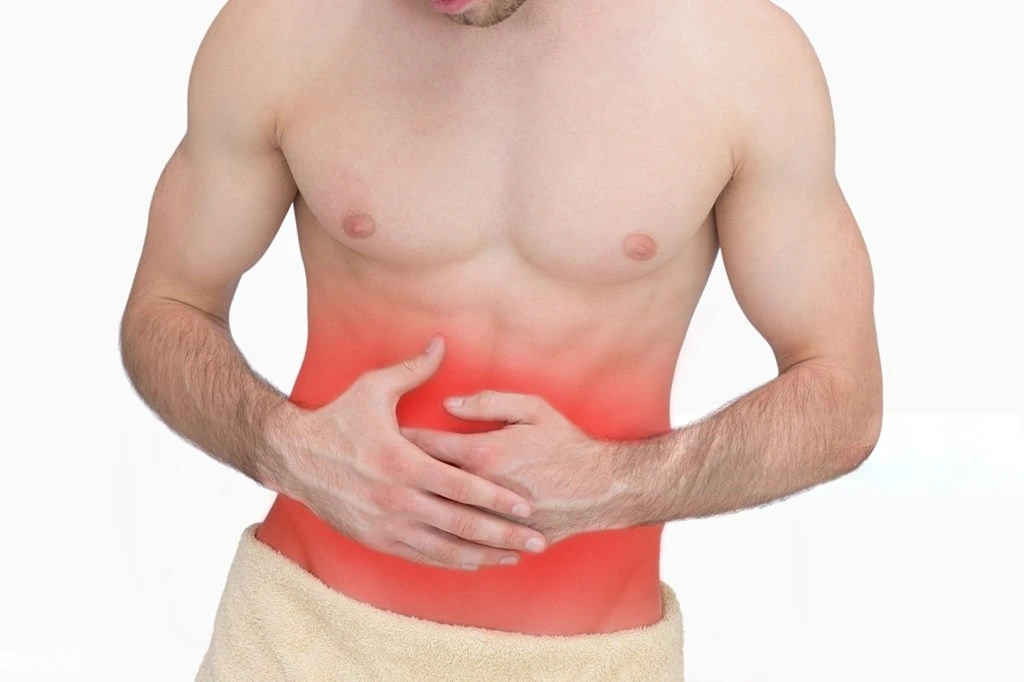
If you’ve noticed a small lump or discomfort in your upper abdomen, especially when coughing, bending, or lifting, it might be more than just a muscle strain it could be an epigastric hernia. While it may sound concerning, there’s no need to worry. With advanced Epigastric Hernia Treatment in Chennai, this condition can be diagnosed accurately and treated safely. This guide explains the symptoms, diagnosis, surgical treatment options, and recovery process, helping you make informed decisions for a smooth and lasting recovery.
An epigastric hernia occurs when fatty tissue or part of the intestine pushes through a weak area in the upper abdominal wall, between the breastbone and the navel. The symptoms can vary depending on the hernia’s size and severity:
Common symptoms include:
Epigastric hernias can appear in different forms depending on their size, location, and severity, and understanding these types helps determine suitable treatment options.
Small fat-containing epigastric hernias
Large hernias involving abdominal tissues
Multiple epigastric hernias in the midline
Reducible hernias that move in and out
Incarcerated hernias stuck in place
Diagnosing an epigastric hernia involves careful evaluation of symptoms, physical examination, and imaging tests to confirm its presence and severity accurately.
Physical exam detects midline lumps
Ultrasound helps identify hernia contents
CT scan provides detailed abdominal view
Diagnosis confirms hernia size and risk
Early detection improves treatment outcomes
Treating an epigastric hernia early offers significant advantages, helping prevent complications and ensuring long-term abdominal strength and improved quality of life.
Prevents hernia enlargement over time
Reduces risk of tissue incarceration
Improves abdominal wall stability
Enhances comfort and daily mobility
Offers long-lasting relief after repair
Untreated epigastric hernias may lead to serious complications that can affect abdominal functioning and require urgent medical attention to avoid severe health issues.
Incarceration causing trapped tissue
Strangulation reducing blood supply
Severe abdominal pain and swelling
Increased risk of infection
Possible bowel obstruction
Treatment of epigastric hernias focuses on repairing the abdominal wall using advanced surgical methods to restore strength and prevent future complications effectively.
Open surgical repair for larger hernias
Laparoscopic repair with minimal cuts
Mesh placement prevents recurrence
Quick recovery with modern techniques
Post-surgery care improves healing
Dr. Kumar is recognized for his precision, compassionate care, and expertise in inguinal hernia surgery in Chennai. His patient-focused approach, combined with advanced techniques, ensures safe, efficient, and comfortable treatment experiences. Patients trust him for his dedication to long-term results and post-surgical care.