Ventral Hernia

Ventral Hernia

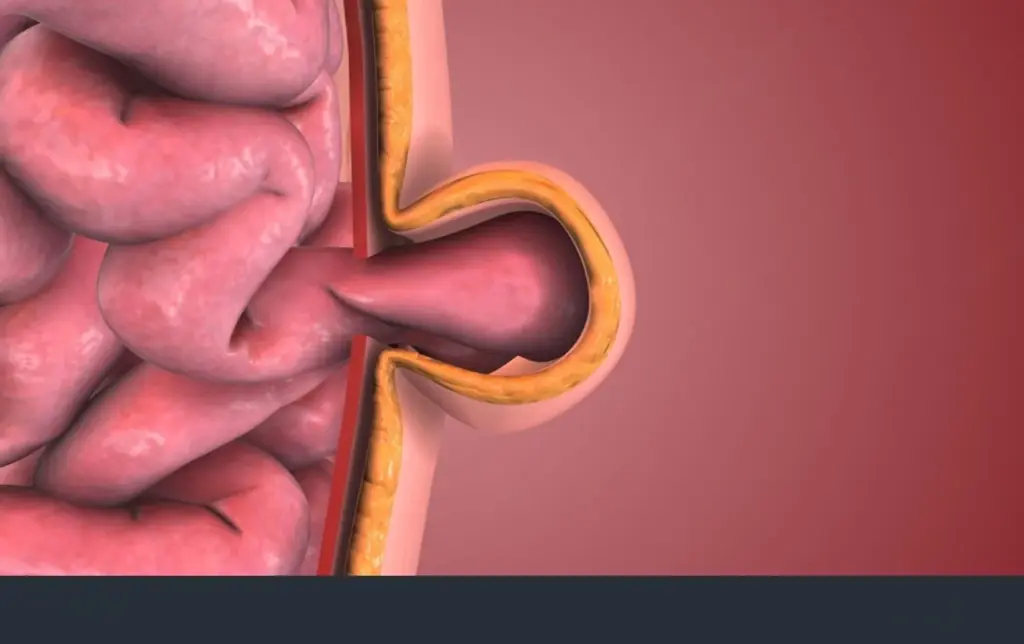
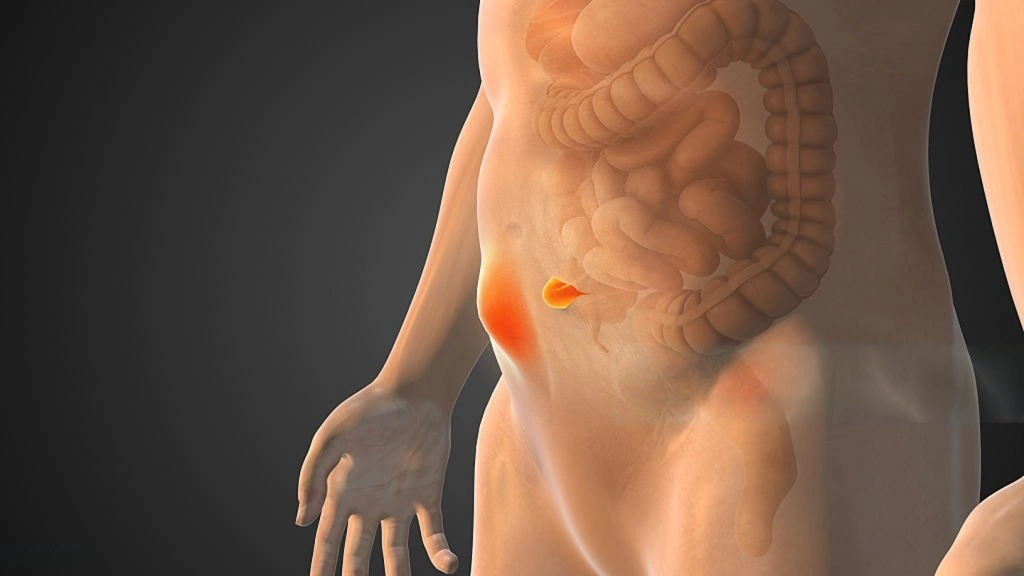
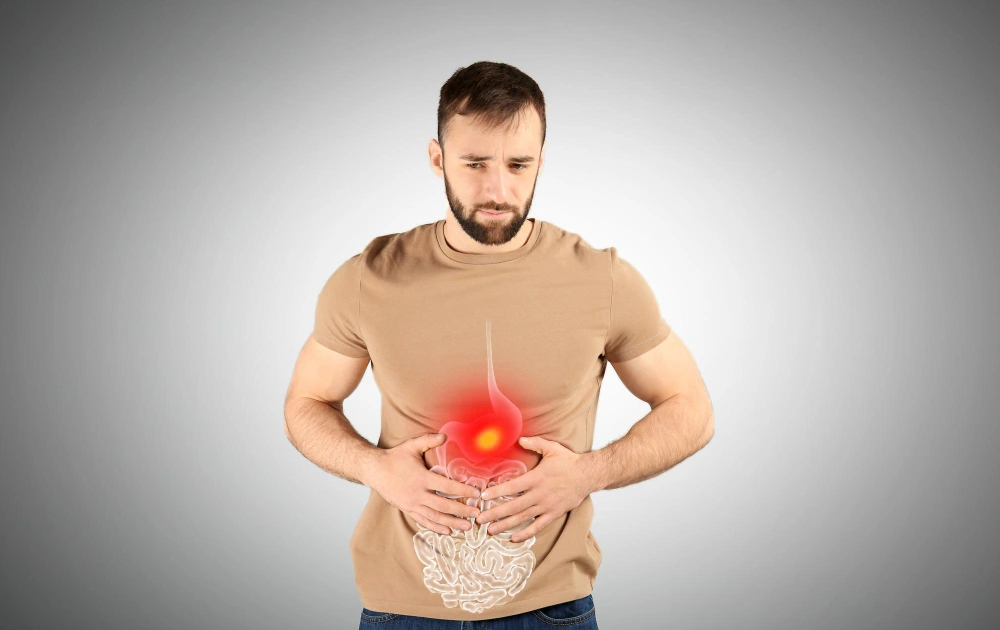
A ventral hernia occurs when tissue or part of the intestine pushes through a weakened section of the abdominal wall. This can happen naturally, after an injury, or in areas where a previous surgical incision has not regained full strength.
Though ventral hernias vary in size and severity, they are highly treatable with today’s advanced surgical methods.

Ventral Hernia
Symptoms of Ventral Hernia

Symptoms of Ventral Hernia

Common signs include:

  • A noticeable bulge in the abdomen
  • Pain or pressure while lifting, bending, or coughing
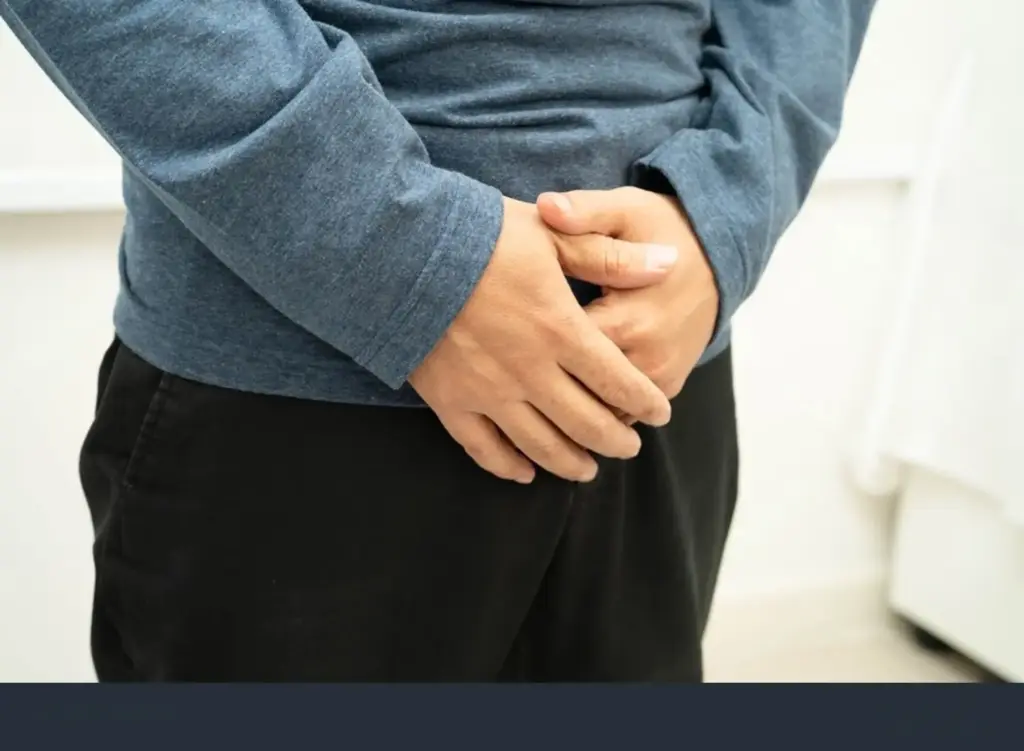
  • Persistent discomfort around the affected area
  • Bloating, nausea, or difficulty with daily activities

Types of Ventral Hernias

Ventral hernias come in several forms, and understanding the type helps guide treatment:

  • Incisional Hernia: Develops at or near a previous surgical scar.
  • Umbilical Hernia: Appears around the belly button area.
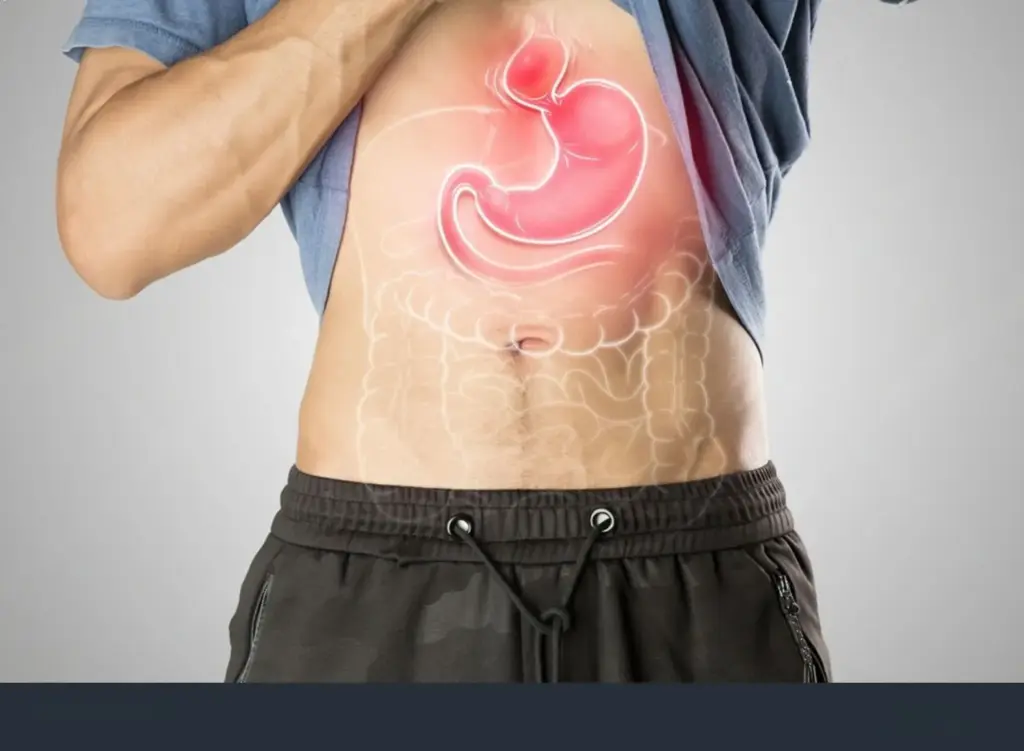
  • Epigastric Hernia: Forms between the chest and navel.
  • Spigelian Hernia: Occurs along the side of the abdominal wall.
Types of Ventral Hernias
Diagnosis of Ventral Hernia

Diagnosis of Ventral Hernia

Diagnosis typically involves:

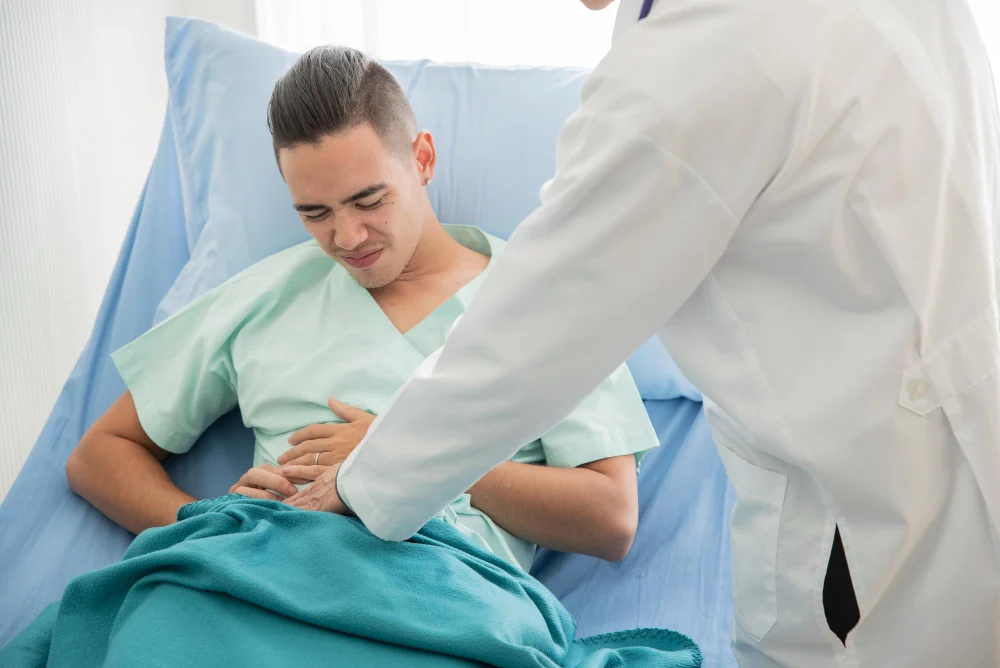
  • A physical examination
  • Ultrasound or CT scan for detailed imaging
  • Review of medical and surgical history

Benefits of Robotic Ventral Hernia Surgery

Robotic surgery offers several advantages:

  • Superior precision and control
  • Minimal scarring and reduced pain
  • Lower risk of recurrence
  • Shorter hospital stay
  • Faster return to normal routines
Benefits of Robotic Ventral Hernia Surgery
Complications

Complications

Ventral hernias, when left untreated or improperly managed, can lead to several complications that may affect overall health and require urgent medical care.

  • Bowel obstruction leading to severe abdominal pain

  • Strangulation causing reduced blood supply

  • Infection at the hernia site

  • Chronic abdominal discomfort and swelling

  • Recurrence after improper repair

Ventral Hernia Treatment Options

Non-Surgical Measures:
Small, painless hernias may be monitored with lifestyle modifications, weight control, and supportive measures.

Surgical Repair:
The most effective solution is surgical correction, which involves returning the herniated tissue to its proper place and reinforcing the abdominal wall with mesh.
Laparoscopic and robotic techniques often provide faster healing, smaller incisions, and reduced discomfort—making them a preferred option for many seeking Ventral Hernia Treatment in Chennai.

Ventral Hernia Treatment Options

Why Choose Dr. Kumar

Dr. Kumar is recognized for his precision, compassionate care, and expertise in inguinal hernia surgery in Chennai. His patient-focused approach, combined with advanced techniques, ensures safe, efficient, and comfortable treatment experiences. Patients trust him for his dedication to long-term results and post-surgical care.